
Proster LCR Meter
4.5Editor score
Rotatable LCD screen
Complete test kit
Affordable price point
An Lcr Meter is an essential tool for anyone working with electronics, allowing precise measurement of inductance, capacitance, and resistance. Unlike standard multimeters, these devices offer deeper insight into component behavior under specific test conditions.
We evaluated ten top-rated models based on accuracy, feature set, display quality, and ease of use. Our analysis focuses on real-world performance for hobbyists, repair technicians, and engineers who need reliable data during troubleshooting or design work.
Each pick in this list highlights key strengths and ideal use cases to help you narrow down your options quickly. Keep in mind that availability and specifications can change over time, so verify details before making your final purchase decision.
4.5Editor score

4.7Editor score

4.4Editor score
As an Amazon Associate we earn from qualifying purchases.
The following table provides a side-by-side comparison of all ten models evaluated in this guide. Use these specs to quickly identify which device matches your specific measurement requirements and budget constraints.

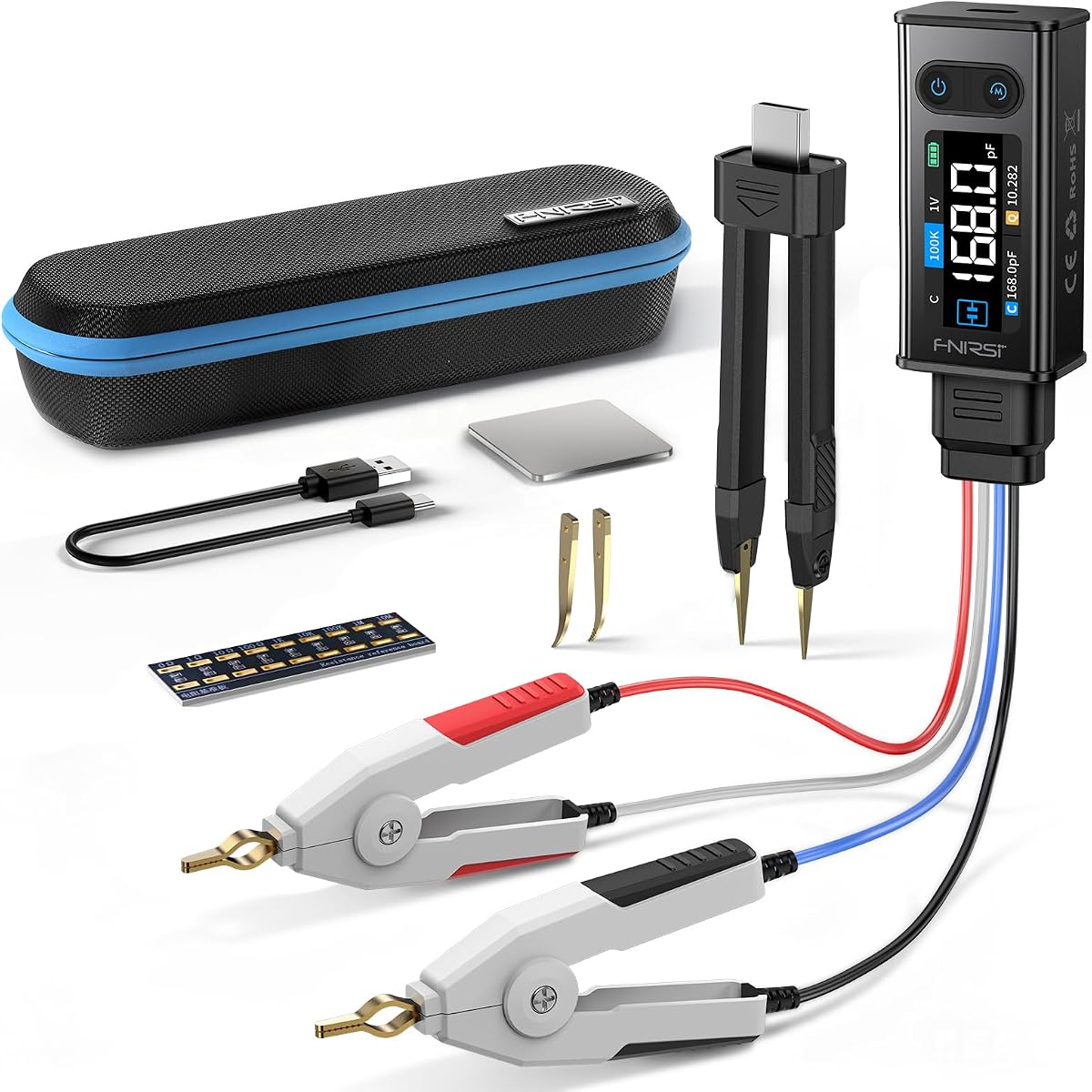


The FNIRSI LC1020E stands out as a top-tier Lcr Meter for both hobbyists and professionals. With a 19,999 count display and support for up to 100kHz test frequencies, it delivers precise measurements for a wide range of components.
We may earn a commission when you buy through this link, at no additional cost to you.
Its dual parameter display allows you to view primary and secondary values simultaneously, which speeds up analysis. The smart sorting mode is particularly useful for batch testing, alerting you via sound or LED when a component falls outside preset tolerances.
While the feature set is robust, new users might find the calibration process and parameter options initially overwhelming. However, once configured, the device offers stable and reliable performance that justifies the learning effort involved.
This meter is ideal for anyone needing a balance of portability and advanced features. Whether you are repairing audio gear or testing circuit boards, the LC1020E provides the data accuracy and convenience required for efficient workflow.
The sorting mode calculates relative error against nominal values to help you quickly identify defective parts during bulk testing.
Support for multiple test frequencies and adjustable voltage ensures you can evaluate components under conditions that mimic real-world usage.
We may earn a commission when you buy through this link, at no additional cost to you.
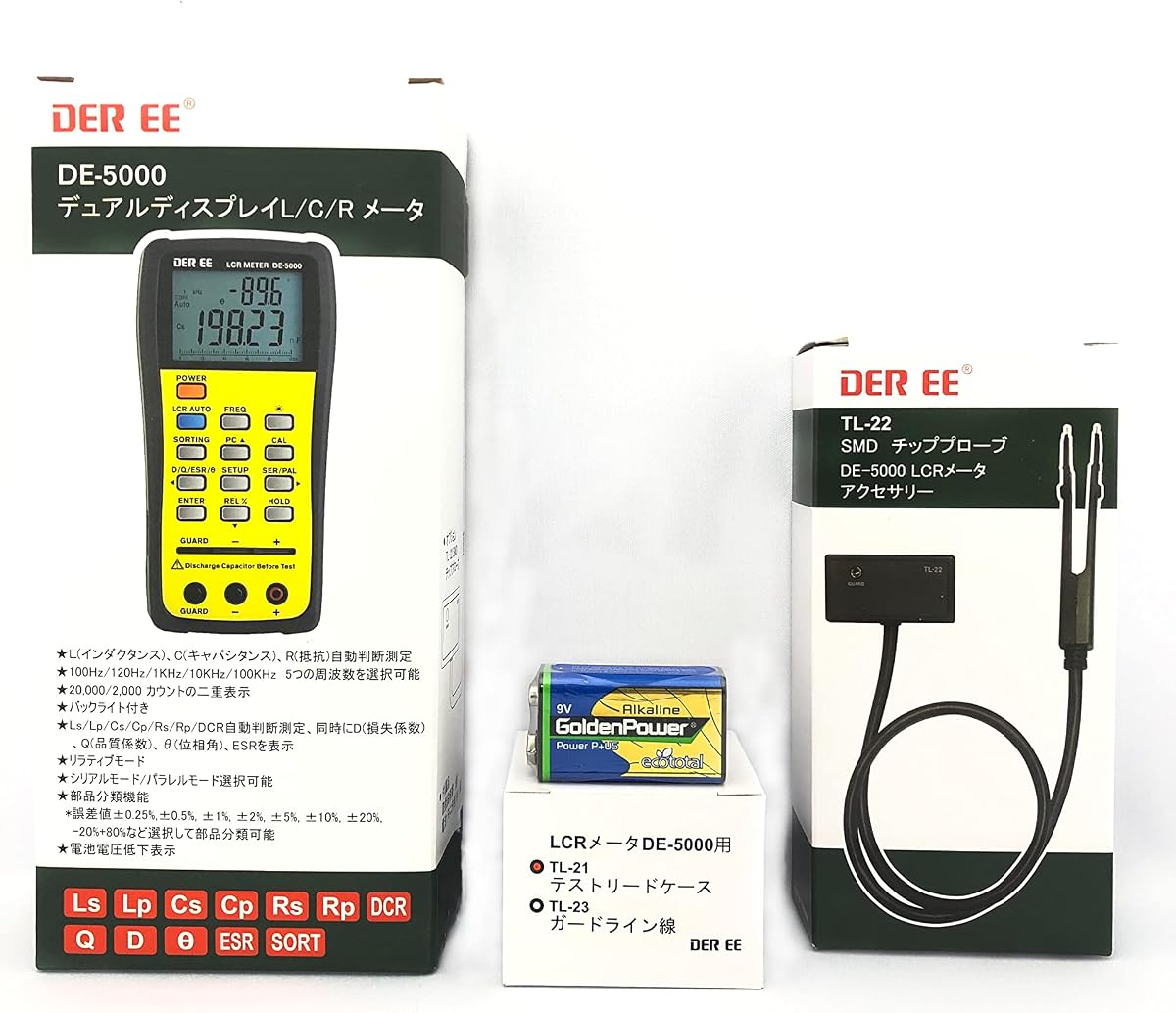
The DE-5000 Handheld LCR Meter is a classic choice known for its durability and consistent performance. It features a high-resolution display and auto-ranging capabilities that simplify the testing process for various component types.
We may earn a commission when you buy through this link, at no additional cost to you.
Its ability to measure inductance, capacitance, and resistance across multiple frequencies makes it versatile for different applications. The inclusion of SMD tweezers and a carrying case adds value and convenience for field technicians.
Although it lacks some modern digital features found in newer models, its straightforward operation and robust build quality are significant advantages. It may feel slightly bulky compared to sleek alternatives, but it gets the job done reliably.
This model is best suited for users who prioritize function over flash. If you need a dependable tool for daily repairs without complex menus, the DE-5000 offers a practical solution that stands the test of time.
The auto ranging feature eliminates the need to manually select ranges, saving time and reducing errors during quick diagnostic tasks.
Included tools like SMD tweezers and test lead cases ensure you have everything needed to start testing immediately upon unboxing.
We may earn a commission when you buy through this link, at no additional cost to you.
The MATRIX MCR5200 is a benchtop LCR meter designed for environments where maximum accuracy and data management are critical. With 0.1% basic accuracy and a 200kHz frequency range, it meets demanding engineering standards.
We may earn a commission when you buy through this link, at no additional cost to you.
Its data saving capabilities via USB or RS232C allow you to log results directly to a computer or storage device. This feature is invaluable for quality control processes and long-term testing documentation.
While it is not meant for field work due to its size, its stability and computational power offer superior performance. The 4.3-inch screen provides ample space to view complex parameters without clutter.
This unit is perfect for labs or production facilities requiring rigorous testing protocols. If you need precise measurements and the ability to archive data efficiently, the MCR5200 delivers professional-grade results.
Integrated ports and software support enable seamless transfer of test results to PCs for analysis and record keeping.
High accuracy specifications ensure that even minor component variations are detected, which is vital for high-quality electronics manufacturing.
We may earn a commission when you buy through this link, at no additional cost to you.
This variant of the De-5000 comes with an expanded kit including specific test leads and a protective carrying case. It retains all the reliable features of the standard model while offering additional tools for varied testing scenarios.
We may earn a commission when you buy through this link, at no additional cost to you.
The ISO 9001 certification adds a layer of assurance regarding manufacturing quality. Features like the backlit screen make it easier to read results in low-light environments, enhancing usability on the job.
While functionally similar to other versions, the included accessories save you from buying them separately. The comprehensive nature of the package makes it an attractive option for those who want a ready-to-use solution.
Ideal for technicians who need a portable and complete set, this kit ensures you are prepared for most repair tasks. Its combination of reliability and ready-to-use convenience makes it a solid choice for general electronics work.
ISO certification standards help ensure consistent quality and performance from the device during critical measurement tasks.
Inclusion of specialized test leads and a case means you can start working immediately without additional purchases or delays.
We may earn a commission when you buy through this link, at no additional cost to you.
The Proster LCR Meter offers an accessible entry point for anyone needing basic inductance and capacitance testing. Its rotatable LCD and simple interface make it very user-friendly for hobbyists and beginners.
We may earn a commission when you buy through this link, at no additional cost to you.
Despite its lower price, it provides essential features like data hold and a dual-slope A/D converter to improve reading stability. The inclusion of a carrying bag and test leads ensures you can use it right out of the box.
While it lacks the high-end accuracy and features of pricier models, it is sufficient for general maintenance and educational purposes. The straightforward operation means less time fiddling with settings and more time fixing circuits.
This meter is perfect for DIY enthusiasts or those on a tight budget. If you need a dependable tool for checking components without breaking the bank, the Proster provides excellent value and functionality for everyday tasks.
The rotatable LCD allows you to position the screen for comfortable viewing regardless of where you are working.
Cost-effective pricing makes professional-grade testing accessible to students and hobbyists who cannot afford expensive equipment.
We may earn a commission when you buy through this link, at no additional cost to you.
The FNIRSI LCR-ST2 is specifically designed for testing small surface-mount and through-hole components. Its tweezer form factor allows you to hold a component with one hand while testing with the other.
We may earn a commission when you buy through this link, at no additional cost to you.
It supports a full range of test frequencies and includes features like automatic sorting and adjustable brightness for better visibility. The built-in magnet on the back keeps the device secure on metal workbenches during use.
While ideal for small parts, the delicate nature of the probes may require careful handling over time. However, the convenience of Type-C charging and compact size makes it a great companion for detailed electronics work.
This tool is essential for anyone working on modern circuit boards with tiny components. If you frequently test capacitors, resistors, or inductors that are difficult to grip, the LCR-ST2 offers a specialized solution that saves time.
The tweezer design eliminates the need for clips or hooks, streamlining the process of testing small surface mount devices.
Type-C charging ensures you can recharge the device quickly without needing disposable batteries, reducing long-term costs.
We may earn a commission when you buy through this link, at no additional cost to you.
The Peak Atlas LCR45 offers enhanced resolution for measuring very small values of inductance and capacitance. Its manual control options allow for precise adjustments that are sometimes necessary for specialized testing.
We may earn a commission when you buy through this link, at no additional cost to you.
The menu system is straightforward, making it easy to access settings and measurements without getting lost in complex layers. A hold function ensures you can capture readings even if the component is moved slightly.
While manual frequency selection can be slower than auto modes, it provides a level of control that some professionals prefer. The device is compact and designed for reliability in varied testing scenarios.
This meter is a good choice for users who need high resolution without a complex interface. If you often deal with tiny components or need detailed impedance data, the LCR45 offers a robust and straightforward solution.
The device detects minute changes in component values, which is crucial for testing high-frequency or precision electronic parts.
Simplified menu structures ensure that you can adjust settings quickly without needing a manual for every single function.
We may earn a commission when you buy through this link, at no additional cost to you.
The B&K Precision 879B is a deluxe handheld meter that features a dual display for viewing primary and secondary parameters at once. Its backlit screen ensures readability in dark workspaces or poorly lit areas.
We may earn a commission when you buy through this link, at no additional cost to you.
It includes USB connectivity for data transfer and comes with an AC adapter, allowing for continuous use without draining batteries. The build quality is solid, reflecting the brand's reputation for durable electronics equipment.
While it may be heavier and more expensive than basic models, the added features like dual displays and AC power justify the cost for frequent users. It is particularly useful for technicians who work in varied environments.
This device is ideal for professionals who need a robust and feature-rich handheld meter. If you value clear displays and reliable connectivity, the 879B provides the tools necessary for efficient and accurate testing.
Viewing primary and secondary values simultaneously reduces the need to toggle screens, streamlining the diagnostic process.
Support for both battery and AC power ensures uninterrupted testing sessions even when portable power sources are limited.
We may earn a commission when you buy through this link, at no additional cost to you.
The Extech LCR200 is designed for quick and easy testing of passive components with a built-in fixture for stability. It supports open and short calibration to ensure measurements are accurate and free from stray impedance.
We may earn a commission when you buy through this link, at no additional cost to you.
Auto power-off functionality helps extend battery life by turning the device off when not in use. The dual backlit display provides clear visibility, making it easy to read results under various lighting conditions.
While it lacks some advanced features found in benchtop units, it excels in simplicity and speed. It is particularly well-suited for quality control checks or quick spot checks in a workshop environment.
This meter is a practical choice for those who need a reliable tool without unnecessary complexity. If you prioritize ease of use and consistent performance for standard components, the LCR200 offers a solid and efficient solution.
The integrated fixture ensures components stay in place during testing, which improves consistency and reduces measurement errors.
Auto power-off features ensure the device does not drain batteries unnecessarily when left idle during busy work sessions.
We may earn a commission when you buy through this link, at no additional cost to you.
The Pro1-100KHz LCR Meter offers impressive accuracy at 0.1% for resistance and includes smart SMD tweezers for testing small components. It also features diode testing capabilities, adding versatility to its standard LCR measurements.
We may earn a commission when you buy through this link, at no additional cost to you.
With a wide measurement range and multiple test frequencies, it handles everything from tiny capacitors to large inductors. The inclusion of lifetime support adds confidence for buyers investing in a new tool.
While the tweezers may require careful handling, the performance and support provided by the device are standout features. The combination of precision and convenience makes it a compelling option for detailed electronics work.
This meter is best for users who need high accuracy in a portable form. If you want a tool that balances precision with usability and comes with strong support, the Pro1-100KHz delivers value and reliability.
High accuracy ratings ensure that even subtle component shifts are detected, which is essential for quality electronics testing.
Integrated diode testing adds utility to the device, allowing you to check multiple component types without switching tools.
We may earn a commission when you buy through this link, at no additional cost to you.
Choosing the right Lcr Meter depends on your specific needs and budget. Consider factors like accuracy, test frequency, and display quality to find the best match for your workflow.
Accuracy determines how close your readings are to the true value. Look for meters with high precision, especially if you work with critical components where even small errors matter.
Higher accuracy models are more expensive but save time and prevent costly mistakes in sensitive projects.
Different components behave differently at various frequencies. A meter with a wide range allows you to test under conditions that mimic real-world usage.
Ensure the device supports frequencies relevant to your work, such as 100kHz for audio applications or higher for RF circuits.
A clear display makes it easier to read values quickly. Look for features like backlights or dual displays to reduce eye strain.
Good visibility ensures you can work efficiently in various lighting conditions without needing extra light sources.
Modern meters often include USB or wireless options for data logging. This is useful if you need to archive results or share them with a team.
Devices with data saving features help you track changes over time, which is vital for quality control processes.
Decide whether you need a handheld device for field work or a benchtop unit for lab stability. Handhelds offer mobility while benchtops provide better power and accuracy.
Choose based on where you will use the meter most often to ensure it fits your workflow.
Check what comes in the box. Quality test leads and cases can save you money and improve the usability of the device.
Accessories like tweezers are essential if you work with small surface mount components regularly.
An intuitive interface reduces the time spent learning how to operate the device. Look for auto-ranging and simple menus to speed up your workflow.
User-friendly designs allow you to focus on the task rather than navigating complex settings.
While price varies widely, consider the long-term value of the device. A more expensive meter might save time and money by providing better accuracy.
Set a budget that balances your immediate needs with the potential for future growth in your electronics work.
Always calibrate your device before use to ensure accurate readings. Follow the manufacturer's instructions for open and short calibration to remove stray impedance.
Store the meter in a dry, cool place to prevent damage to the internal components. Use the provided case to protect it from impacts during transport.
Regularly check battery levels or charge the device to avoid interruptions during testing. Cleaning the test leads and probes ensures they remain reliable over time.
An Lcr Meter measures inductance, capacitance, and resistance with high precision. It is used by technicians and engineers to test and verify electronic components during repairs or manufacturing.
Calibration typically involves connecting open and short standards to the device. Follow the manufacturer's manual to perform these steps before taking measurements.
No, you should never measure live circuits with an Lcr Meter as it can damage the device and pose safety risks. Ensure the circuit is powered off and components are discharged.
A multimeter measures basic electrical properties like voltage and current, while an Lcr Meter specializes in precise component values like inductance and capacitance. The latter offers deeper insight for troubleshooting.
Inspect test leads regularly for wear or damage. Replace them if you notice breaks or inconsistent readings to maintain measurement accuracy.
The ideal frequency depends on the capacitor type and application. Generally, lower frequencies are used for large electrolytics, while higher frequencies work better for smaller ceramics.
We hope this guide helps you find the perfect Lcr Meter for your needs. Our top picks offer a range of features to suit different budgets and professional requirements.
Consider your specific measurement needs and workflow when making a decision. A reliable tool can significantly improve the efficiency of your electronics work.
Remember to check current availability and verify specifications before purchasing. Prices and models may change over time, so stay informed for the best deal.