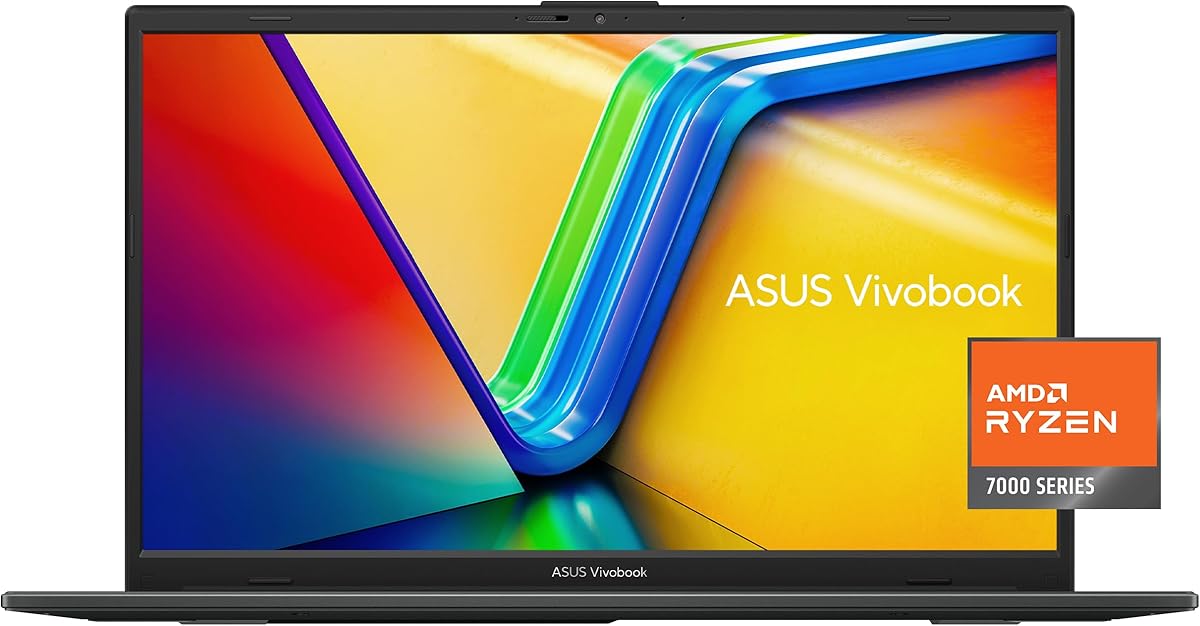
ASUS Vivobook Go 15
4.3Editor score
Ryzen 3 processor
8GB DDR5 RAM
Military Grade Durability
Finding the right laptop for school requires balancing performance with portability. Students need devices that handle multitasking, long study sessions, and creative projects without breaking the bank or weighing down their backpack.
We compared ten popular ASUS Vivobook models based on processor power, memory capacity, storage speed, and build quality. Our analysis focuses on real-world usability for coursework, research, and entertainment across various budgets and requirements.
Each pick highlights key strengths and ideal user scenarios to simplify your decision. Remember that availability and pricing fluctuate frequently, so verify current offers before purchasing to ensure you get the best value available today.
4.3Editor score

4.8Editor score

4.5Editor score
As an Amazon Associate we earn from qualifying purchases.
This side-by-side comparison outlines the critical specifications of each model to help you quickly identify the device that best matches your specific academic and creative workflow requirements.


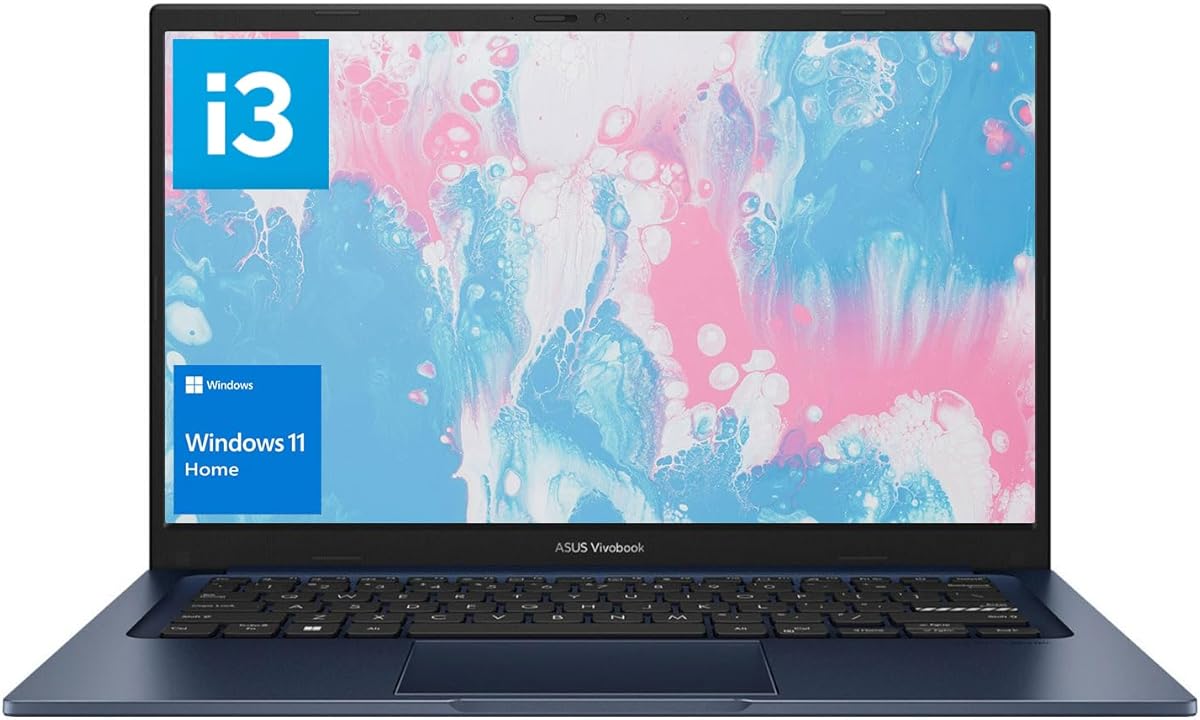
The ASUS Vivobook 14 stands out as the top choice for students seeking a modern AI-capable machine. With a highly rated Snapdragon X processor and 16GB of RAM, it delivers exceptional responsiveness for daily academic tasks and media consumption.
We may earn a commission when you buy through this link, at no additional cost to you.
Its 14-inch FHD+ screen offers crisp visuals ideal for reading and research, while the Snapdragon architecture ensures long battery life throughout a full day of classes. The 512GB SSD provides ample space for documents and applications without lag.
Users may need to adjust to the Copilot+ PC ecosystem as some traditional apps require emulation. However, the performance gains and power efficiency outweigh these minor transitional challenges for most modern workflows and cloud-based study habits.
This model is perfect for students prioritizing portability and future-proofing. If you need a reliable companion for lectures and library sessions that lasts all day without a charger, this Vivobook delivers outstanding value and performance.
The Snapdragon X processor with integrated Adreno GPU handles AI tasks efficiently, ensuring smooth operation for creative apps and intelligent productivity tools.
Optimized power management allows for extended usage between charges, making it ideal for students moving between campus locations without constant access to power outlets.
We may earn a commission when you buy through this link, at no additional cost to you.
For students on a tight budget, the Vivobook Go 15 offers an impressive entry point. Its AMD Ryzen 3 processor and DDR5 RAM ensure solid performance for web browsing and document editing at a very accessible price point.
We may earn a commission when you buy through this link, at no additional cost to you.
The military-grade build quality means it can withstand the rigors of daily travel in a backpack. Fast charging and a privacy shield add practical value for users concerned about security and battery life on the go.
Storage is the main limitation here with only 128GB available for files. Students relying heavily on local media libraries may need external drives or cloud solutions. Otherwise, it handles standard school tasks reliably without issues.
Ideal for high school or freshman college students needing a dependable machine for notes and online research. It balances cost and functionality effectively for those who do not require heavy computational power.
Military-grade durability standards ensure the chassis resists wear and tear, protecting your investment during commutes and shared living environments.
The included webcam physical shield provides peace of mind during online classes, ensuring your visual privacy is never compromised by accidental activation.
We may earn a commission when you buy through this link, at no additional cost to you.
This high-end Vivobook is designed for students tackling intensive projects like 3D modeling or video editing. The Core i9 processor and 32GB of RAM ensure that complex workflows run smoothly without bottlenecks or slowdowns.
We may earn a commission when you buy through this link, at no additional cost to you.
The 1TB SSD offers generous space for large media files and datasets. Combined with the fingerprint reader and backlit keyboard, it provides a professional experience that supports both productivity and late-night study sessions.
The main trade-off is the cost and weight compared to lighter models. If you do not need such raw power, a mid-range option might suffice. However, for creative majors, this hardware is a serious investment.
Choose this if you need a desktop replacement that handles heavy lifting. It is built for users who demand maximum performance and storage without compromising on build quality or security features.
The i9 processor and 32GB RAM enable simultaneous rendering, compilation, and research without slowing down, making it a true workstation in a laptop form.
Biometric login via the fingerprint reader ensures quick and secure access to sensitive student data and academic records at any time of day.
We may earn a commission when you buy through this link, at no additional cost to you.
This 2023 update improves storage significantly with a 512GB SSD while keeping a reasonable price. The Ryzen 5 processor offers a step up in speed for multitasking compared to the base Ryzen 3 model.
We may earn a commission when you buy through this link, at no additional cost to you.
Fast charging ensures you can get 50% power in 30 minutes, keeping you productive during short breaks between classes. The 15.6 inch display provides ample workspace for spreadsheets and dual-window research.
While the screen brightness is average, it suffices for indoor study. The noise-canceling microphone helps in virtual meetings. It is a balanced choice for general users who need more storage than the budget option.
Best for students needing reliable performance and storage without paying premium prices. It serves well for general coursework and media consumption with efficient thermal management and connectivity.
IceCool technology keeps the device running cool during extended sessions, ensuring comfort on your lap and consistent performance during heavy use.
Built-in Wi-Fi 6E ensures stable connections for video calls and downloads, reducing lag during critical online lectures or project uploads.
We may earn a commission when you buy through this link, at no additional cost to you.
The 16-inch WUXGA display offers significantly more screen real estate for multitasking. Students who split their work between multiple documents or coding environments will appreciate the extra horizontal space and clarity.
We may earn a commission when you buy through this link, at no additional cost to you.
Powered by the Snapdragon X platform, it maintains excellent battery efficiency even with the larger screen. The PCIe 4.0 SSD ensures files load quickly. This model suits users who prefer a desktop-like view in a portable device.
Portability is reduced due to size and weight. It may be cumbersome for those moving between campus buildings daily. However, for stationary study sessions or presentations, the visual advantages are substantial.
Ideal for majors involving design, data visualization, or heavy research. The large format and efficient processor make it a powerful tool for visual and data-intensive workflows.
The 16:10 aspect ratio provides more vertical space for scrolling through documents and web pages, improving productivity during research tasks.
Qualcomm Hexagon NPU delivers AI capabilities while keeping power consumption low, ensuring the battery lasts through long study sessions without interruption.
We may earn a commission when you buy through this link, at no additional cost to you.
This model includes a docking hub which simplifies connecting multiple peripherals. For students needing external monitors or drives, this bundle saves extra costs. The Core 5 processor ensures robust handling of business and academic software.
We may earn a commission when you buy through this link, at no additional cost to you.
Windows 11 Pro adds features like BitLocker encryption which benefits security-conscious users. The 1TB SSD offers plenty of room for files and applications. Its thin profile makes it easy to carry while remaining powerful.
The included accessories add value but depend on your specific connectivity needs. If you rely on external setups, this is a smart choice. Otherwise, a standard configuration might be more straightforward for basic use.
Perfect for business or engineering students needing connectivity options. It balances professional features with a portable design suitable for commuting and on-campus productivity.
Windows 11 Pro includes advanced security protocols to protect your thesis and research data from unauthorized access or potential threats.
The included docking hub allows quick connection to multiple devices, turning your laptop into a stationary workstation with minimal setup effort.
We may earn a commission when you buy through this link, at no additional cost to you.
With 16GB of RAM, this model handles multitasking better than most budget options. The Core 5 processor strikes a balance between speed and battery consumption. It fits well for general academic work and light media editing.
We may earn a commission when you buy through this link, at no additional cost to you.
The 15.6 inch screen provides comfortable viewing without adding bulk. Wi-Fi 6 ensures reliable internet speeds in crowded dorm networks. It is a safe choice for students who need stability without premium costs.
It lacks a dedicated graphics card which limits heavy gaming. However, for most coursework this is unnecessary. The build is light enough for daily carry, making it versatile for various student lifestyles.
Recommended for students wanting a reliable all-rounder. It offers enough power for daily tasks with a durable build and efficient connectivity options.
The 16GB RAM allows you to keep multiple browser tabs and applications open without slowing down, enhancing productivity during research sessions.
Wi-Fi 6 ensures you maintain fast speeds even in crowded environments like libraries or cafeterias, keeping you connected when you need it most.
We may earn a commission when you buy through this link, at no additional cost to you.
The Ryzen AI 7 processor brings dedicated AI acceleration for enhanced tasks like real-time translation. The high-resolution WUXGA screen offers vibrant visuals for creative work. It is a strong contender for those interested in future software capabilities.
We may earn a commission when you buy through this link, at no additional cost to you.
Battery life claims of 12 hours mean you can study all day on one charge. The included Game Pass adds value for leisure. It stands out as a modern device built for the next generation of apps.
AI features may still mature over time updates. If you want the latest tech and premium build quality this fits well. It offers a high-end experience for users willing to invest in longevity.
Best for students seeking innovation and performance. It is ideal for those who value advanced features and high-resolution displays for design and content work.
The XDNA NPU handles AI workloads efficiently, enabling features like Live Captions and faster image generation without taxing the CPU.
The 14-inch WUXGA display delivers sharp details and bright colors, ensuring text is easy to read and images appear vivid during creative tasks.
We may earn a commission when you buy through this link, at no additional cost to you.
This slim model prioritizes portability above all. The Intel Celeron processor and 4GB RAM work well for basic tasks like note-taking and browsing. It is extremely light and easy to slip into a small bag.
We may earn a commission when you buy through this link, at no additional cost to you.
Battery life is strong with fast charging to keep you moving. The backlit keyboard helps in dim classrooms. It is designed specifically for students who need a simple machine for basic online work.
Multitasking is limited with 4GB RAM. Complex apps or many tabs may slow it down. If your needs are straightforward this offers great mobility. But for heavier loads it falls short.
Choose this only for basic academic use. It is best for those needing a lightweight writer for essays and emails without carrying a heavy device.
Its thin chassis makes it one of the lightest options available, reducing strain on your shoulders during long campus commutes.
Optimized for single-task workflows, it ensures smooth operation for writing and web browsing without unnecessary bloat or overhead.
We may earn a commission when you buy through this link, at no additional cost to you.
This model offers high RAM and storage at a competitive price. The i3 processor handles daily tasks well. It is a great option for those needing more memory than usual without paying high premiums.
We may earn a commission when you buy through this link, at no additional cost to you.
The 512GB SSD ensures quick access to files and fast boot times. Its compact size makes it easy to carry. It is ideal for students who need solid performance for basic computing tasks.
It is not for gaming or heavy creative work. The graphics are integrated and basic. However, for typing and web research it is efficient. It delivers reliable value for entry to mid-level students.
Best for general users needing memory efficiency. It is a strong choice for those prioritizing storage and RAM over graphical power in a standard budget.
The 16GB RAM ensures smooth multitasking even when running multiple applications simultaneously, a rare find at this price point.
The PCIe NVMe SSD provides quick boot times and file transfers, keeping your workflow efficient and reducing wait times.
We may earn a commission when you buy through this link, at no additional cost to you.
Selecting the right laptop requires understanding your specific academic demands. This guide breaks down the essential factors to consider before making your purchase.
The processor drives speed and multitasking. For general notes and web research, entry-level chips suffice. But for creative work or heavy apps, look for Ryzen 5 or Core i5 equivalents.
Prioritize modern processors to ensure longevity and smooth operation throughout your study years.
Random Access Memory impacts how many apps you run at once. Aim for 8GB minimum for smooth multitasking. 16GB is recommended for future-proofing and intensive workflows.
Choose 16GB if you plan to keep the device for four years or use heavy software.
Storage holds your files and OS. SSDs are standard now for speed. 512GB is the sweet spot for most students. 256GB is acceptable if you use cloud storage heavily.
Ensure you have at least 512GB to avoid constant file management headaches.
You will stare at the screen for hours. Look for Full HD resolution at least. A 14-inch size is portable while a 15-inch gives more workspace.
Prioritize eye comfort and clarity for long study sessions to reduce fatigue.
Students move between classes without chargers. Aim for models that claim 8 hours or more. Real-world usage will vary but efficiency matters.
Check reviews for battery performance to ensure it lasts a full day of lectures.
A heavy laptop adds burden to your day. Models under 3.5 lbs are easier to carry. Thin designs fit better in backpacks.
Balance screen size with weight to find a device you can carry easily.
Ports like USB-C and HDMI reduce dongle needs. Wi-Fi 6 support ensures fast campus internet. Check for necessary audio jacks for headphones.
Verify the ports match your peripherals to avoid extra adapter costs.
Durable construction protects your investment. Look for military-grade testing if you travel often. Sturdy hinges extend lifespan.
Invest in a model that withstands daily transit and handling.
Keep your device cool by avoiding soft surfaces like blankets. Use a hard flat surface during heavy tasks to prevent overheating and protect internal components.
Update your software regularly to maintain security and performance. Use the included ASUS utilities to manage battery and system settings efficiently.
Use a screen protector and carry case to shield against scratches and drops. Proper care ensures your laptop remains in top condition for years of academic use.
The ASUS Vivobook 14 with Snapdragon is best for general students due to battery and efficiency. For heavy engineering work, the Vivobook 16 with Core i7 or i9 offers necessary power. Choose based on your specific major needs.
Most students will find 8GB sufficient for daily tasks. However, 16GB is recommended if you plan to use virtual machines, run multiple browser tabs, or edit media files regularly.
Many Vivobook models feature military-grade durability tests to withstand bumps and temperature changes. This makes them reliable for carrying in backpacks and handling the rigors of student life.
Most modern Vivobook models offer around 6 to 10 hours of battery life. This depends on usage patterns such as video streaming versus writing essays. Real-world usage varies by model.
Some Vivobook models allow SSD upgrades but many have soldered RAM. Check the specific manual before buying. Upgrading storage is easier on models with accessible drive bays.
Entry-level Vivobooks handle light casual games well. For modern titles, consider models with dedicated graphics. Integrated graphics are suitable for school tasks and older game titles.
We reviewed ten diverse models offering solutions for various budgets and needs. From the powerful Vivobook 15 i9 to the budget-friendly Vivobook Go, there is an option for every student.
Prioritize your major requirements and daily carrying distance. Balance power with portability to find the device that enhances your workflow without becoming a burden.
Prices and availability change frequently. Always verify current specs and deals before purchasing to ensure you secure the best value for your academic journey.