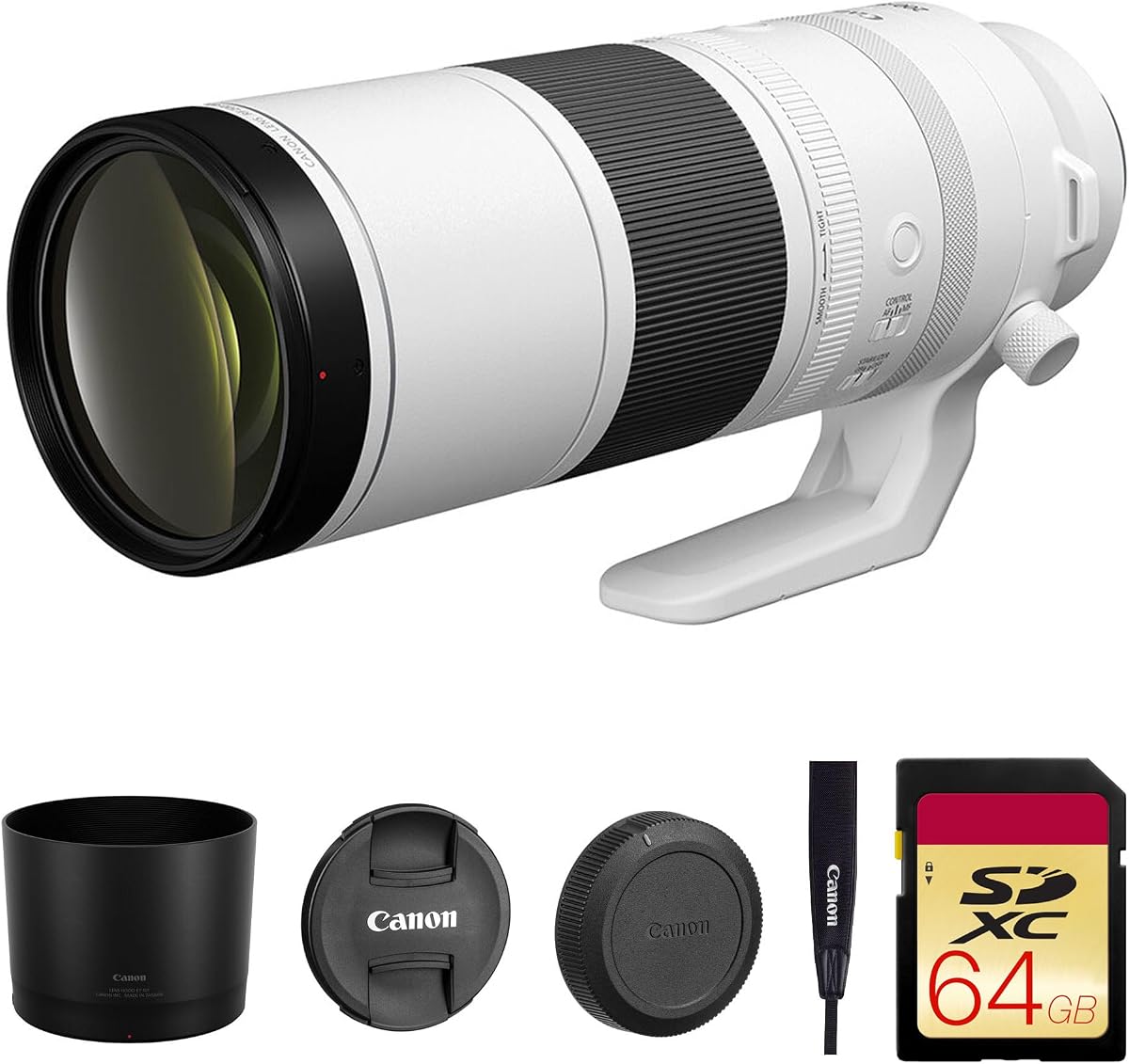
Canon RF 200-800mm f/6.3-9 IS USM Lens Bundle
4.7Editor score
Extends to 800mm reach
Built-in image stabilization
Fast USM autofocus system
This guide compares top Camera Lens for Long Distance Wildlife options for 2026 focusing on zoom reach stability autofocus speed and optical quality to help
Capturing wildlife from a safe distance requires powerful optics. A dedicated Camera Lens for Long Distance Wildlife lets you frame shy subjects tightly while maintaining sharpness and detail even in challenging lighting conditions.
We evaluated ten top rated telephoto lenses based on zoom range image stabilization autofocus performance and build quality. Our analysis covers both mirrorless and DSLR options for various camera systems and budget levels.
Each pick highlights unique strengths like reach or portability. Note that prices change frequently so check current listings before buying. This list helps you find the right tool for your specific wildlife photography needs.
4.7Editor score
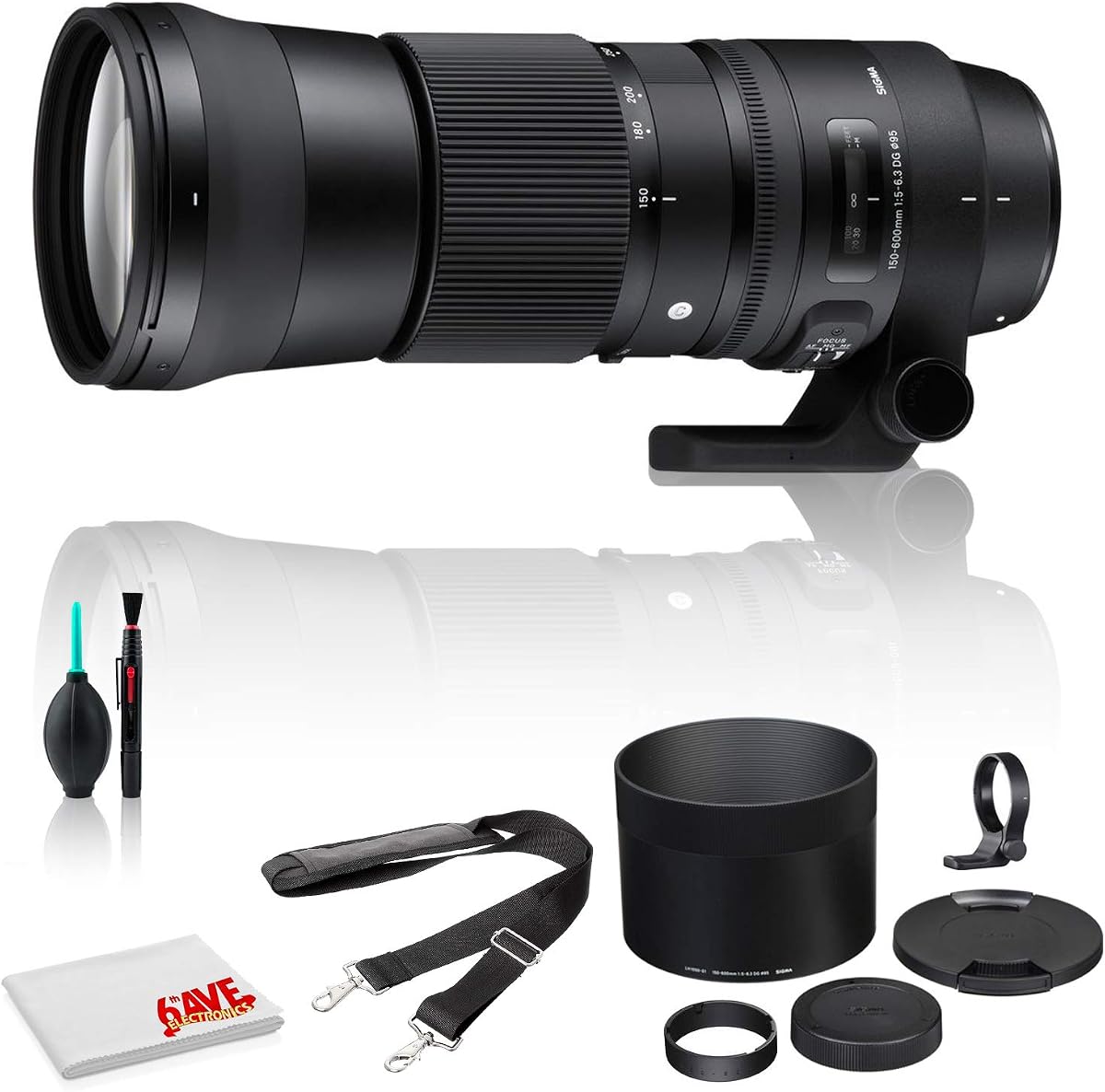
4.5Editor score

4.7Editor score
The table below shows key specs for all ten lenses. Compare focal lengths stabilization features and compatibility to find the right match for your camera and wildlife shooting style.



This lens delivers unmatched reach from 200mm to 800mm ideal for shy wildlife. It holds a strong 4.7 rating for optical clarity and speed. The bundle includes useful accessories to start shooting immediately.
We may earn a commission when you buy through this link, at no additional cost to you.
Built-in image stabilization enables shake-free photos at full zoom. The USM autofocus locks on quietly and quickly even at long distances. Its compact size makes it easier to carry than traditional super telephoto lenses.
The aperture narrows to f/9 at 800mm limiting low light use. The price reflects premium quality and versatility though it remains an investment. These trade-offs are acceptable for serious wildlife photographers.
Buy this if you need extreme reach with manageable weight. It suits Canon RF users seeking professional performance. This bundle offers everything needed for field-ready wildlife photography today.
Reaching 800mm lets you fill the frame with animals far away without disturbing them.
Image stabilization ensures sharp results even without a tripod during active shoots.
We may earn a commission when you buy through this link, at no additional cost to you.
This lens offers powerful telephoto reach from 200mm to 800mm for wildlife. Its 4.6 rating reflects excellent sharpness and versatility. It is designed for comfortable handheld shooting in the field.
We may earn a commission when you buy through this link, at no additional cost to you.
The optimized optical design maintains quality across the zoom range. It works with extenders to push reach even further. The compact build makes it a joy to carry on long hikes.
Manual focus might be needed in very low light due to aperture. It is specific to Canon RF systems. These factors are minor given the overall performance and mobility.
Choose this for professional quality and portability. It suits active photographers who need flexibility. This lens stands out for combining power with ease of use.
From 200mm to 800mm it handles diverse wildlife scenes from nearby to far.
Using extenders extends reach beyond 800mm for extreme telephoto needs.
We may earn a commission when you buy through this link, at no additional cost to you.
This lens covers 150mm to 600mm for excellent wildlife flexibility. It holds a 4.5 rating for performance and reliability. The bundle adds a cleaning kit for easy maintenance.
We may earn a commission when you buy through this link, at no additional cost to you.
The Hyper Sonic Motor provides fast and quiet autofocus. Optical Stabilizer reduces camera shake for sharper images. Its optics deliver clear and detailed shots across the zoom range.
The lens can be heavy for long handheld sessions. It lacks weather sealing for tough conditions. These are manageable concerns given the value and reach it offers.
Ideal for Canon DSLR users seeking reach without extreme cost. It suits birders and wildlife photographers needing versatility. This lens balances specs and price very well.
Hyper Sonic Motor locks focus quickly on moving animals in the field.
Optical Stabilizer helps capture sharp photos even at long focal lengths.
We may earn a commission when you buy through this link, at no additional cost to you.
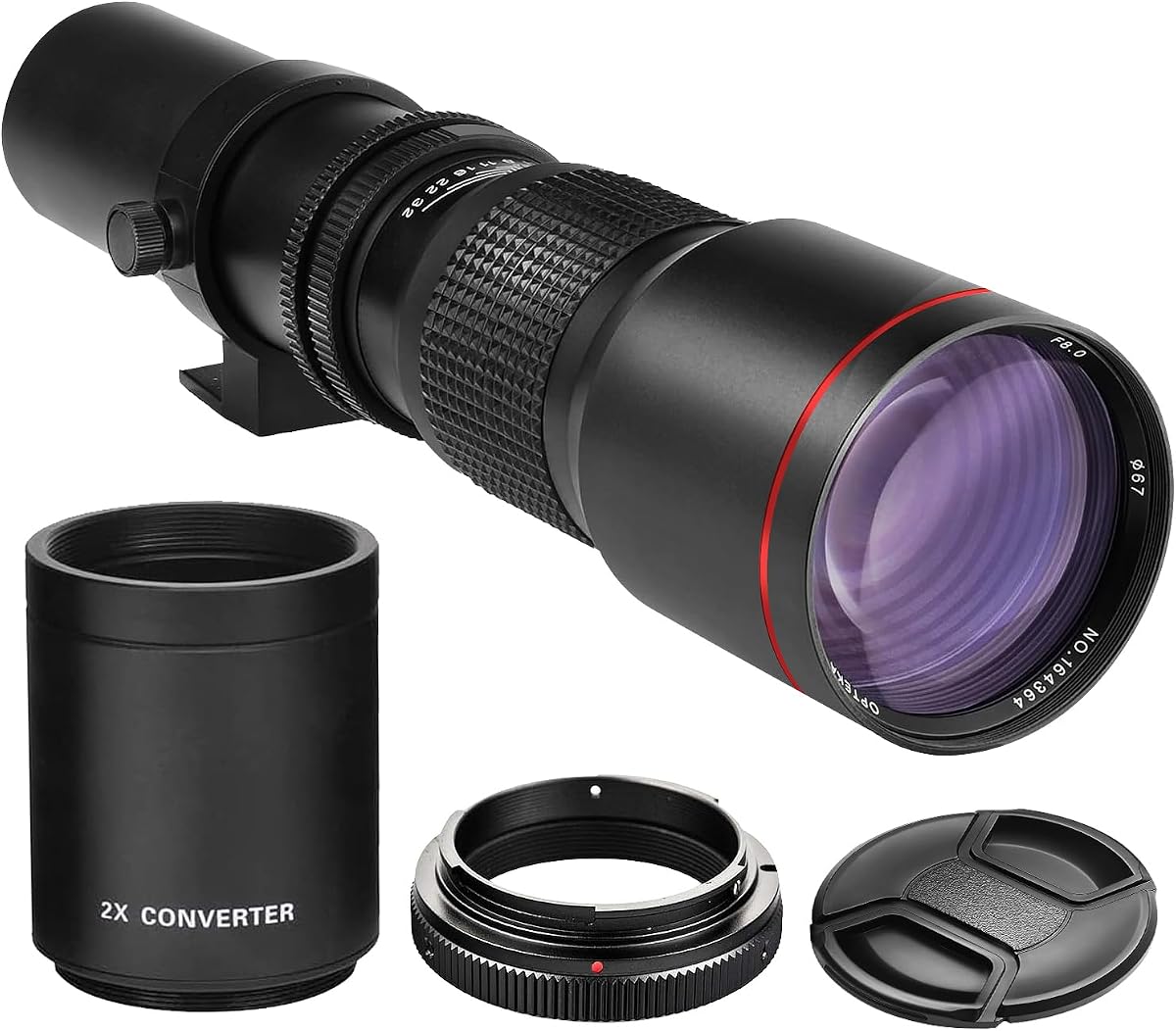
This lens reaches 1000mm for extreme distance wildlife shots. It holds a 4.0 rating for affordability and versatility. The manual focus requires skill but offers full creative control.
We may earn a commission when you buy through this link, at no additional cost to you.
The 2X teleconverter doubles the lens power to 1000mm. High index low dispersion glass ensures sharp photos. Its EF mount fits many Canon DSLRs easily.
Manual focus slows down tracking fast moving animals. Aperture control is manual requiring more effort. These trade-offs are fine for static or patient shooting scenarios.
Buy this for tight budgets needing extreme reach. It suits hobbyists willing to learn manual focus. This lens brings distant subjects closer affordably.
1000mm allows you to photograph distant wildlife without getting close.
Manual focus and aperture let you fine-tune your creative vision.
We may earn a commission when you buy through this link, at no additional cost to you.
This lens offers an expansive 100 to 400mm range for action. It holds a 4.0 rating for professional reliability. The bundle includes a filter kit and lens cap keeper.
We may earn a commission when you buy through this link, at no additional cost to you.
Advanced optical construction minimizes aberrations for clear shots. Optical Image Stabilization reduces shake by up to two stops. Ring-Type USM delivers fast precise autofocus for moving subjects.
It is heavier and pricier than newer RF versions. Still it is a proven tool for Canon DSLR users. These factors are balanced by its durability and optical excellence.
Choose this for professional use and proven performance. It suits wildlife and sports photographers needing flexibility. This lens remains a trusted tool in many fields.
Fluorite and UD elements ensure high image quality and color accuracy.
Ring-Type USM locks focus quickly on wildlife in motion.
We may earn a commission when you buy through this link, at no additional cost to you.
This lens reaches up to 1600mm for incredible distance shots. It holds a 4.0 rating for flexibility and value. Manual focus and zoom offer full control over your framing.
We may earn a commission when you buy through this link, at no additional cost to you.
The 2X teleconverter doubles the 800mm lens to 1600mm. HD optical glass ensures crisp detailed photos. It fits Canon DSLRs with EF mount for wide compatibility.
Manual operation requires patience and steady hands. Lack of stabilization means tripod is needed. These trade-offs are acceptable for static subjects or budget-conscious users.
Buy this for extreme reach on a tight budget. It suits hobbyists needing long range photography. This lens brings far away subjects close affordably.
1600mm lets you capture subjects unreachable by most lenses.
Low cost makes extreme reach accessible to more photographers.
We may earn a commission when you buy through this link, at no additional cost to you.
This lens offers a versatile 100-400mm range for RF users. It holds a 4.6 rating for optical quality. It is compact and ideal for wildlife photography on the move.
We may earn a commission when you buy through this link, at no additional cost to you.
Optical Image Stabilizer gives up to 5.5 stops correction. With IBIS you get up to six stops total. Nano USM delivers high speed smooth and quiet autofocus.
Aperture narrows to f/8 at 400mm limiting low light. It is not weather sealed for rain. These are reasonable limits for its portability and price.
Choose this for travel and hiking needs. It suits RF users wanting light gear. This lens is perfect for lightweight wildlife shooting.
Up to 5.5 stops help capture sharp photos handheld.
Nano USM tracks wildlife quietly without disturbing them.
We may earn a commission when you buy through this link, at no additional cost to you.
This lens provides a smooth zoom from 75mm to 300mm. It holds a 4.7 rating for reliability and ease of use. Its lightweight build makes it ideal for beginners.
We may earn a commission when you buy through this link, at no additional cost to you.
The improved mechanism ensures smooth zooming. The compact size weighs just 16.8 ounces. It fits many Canon SLR cameras with EF mount.
It lacks image stabilization for shaky photos. The 300mm reach is modest for wildlife. These limits suit those learning basics without high cost.
Buy this as a starter telephoto lens. It suits beginners wanting to learn zoom. This lens is a practical step for wildlife photography.
Lightweight and simple to operate for those new to telephoto.
Improved zoom ring allows for effortless focal length changes.
We may earn a commission when you buy through this link, at no additional cost to you.
This lens extends to 500mm for strong wildlife reach. It holds a 4.2 rating for clarity and performance. The bundle includes filters and a cleaning kit.
We may earn a commission when you buy through this link, at no additional cost to you.
Vibration Reduction provides up to 4.5 stops stabilization. Silent Wave Motor ensures rapid quiet autofocus. Extra-low dispersion elements reduce fringing for sharp color.
It is heavier than lighter zooms limiting handheld use. It is limited to Nikon F mount cameras. These trade-offs are common for lenses of this reach.
Choose this for Nikon DSLR wildlife photography. It suits users needing 500mm reach. This lens offers solid performance for outdoor shooting.
Vibration Reduction helps capture sharp images without a tripod.
Silent Wave Motor focuses quietly to avoid spooking animals.
We may earn a commission when you buy through this link, at no additional cost to you.
This renewed lens offers 75 to 300mm reach for beginners. It holds a 4.7 rating for reliability. It delivers the same optical design as the new version.
We may earn a commission when you buy through this link, at no additional cost to you.
The DC Autofocus Motor is fast and efficient. Its compact build is easy to carry. This renewed option saves cost without losing key features.
It lacks stabilization and comes renewed. Still it works well for steady shooting. These factors suit budget users willing to accept the condition.
Buy this for tight budgets learning telephoto. It suits casual photographers needing reach. This lens brings classic optics to new owners.
Same optical formula as new at a fraction of the price.
DC Motor ensures quick focusing for everyday use.
We may earn a commission when you buy through this link, at no additional cost to you.
Selecting the right lens depends on your camera body budget and wildlife needs. Consider these factors to match a lens to your specific shooting style and environment.
Focal length determines how close distant wildlife appear. For shy animals reach from 400mm to 800mm helps frame subjects tightly without intrusion.
Look for lenses offering at least 400mm minimum for effective wildlife work.
Image stabilization counters camera shake at long focal lengths. Stabilized lenses help capture sharp handheld photos without a tripod.
Choose lenses with built-in stabilization for field mobility and easier shooting.
Fast quiet autofocus locks on moving animals quickly. Silent motors avoid disturbing wildlife during critical moments.
Prioritize lenses with ultrasonic or silent motors for active wildlife photography.
Wider apertures allow more light for faster shutter speeds. Narrower apertures save weight and cost but limit low light use.
Balance aperture size with your typical shooting conditions and budget needs.
Ensure the lens matches your camera system mount. RF mounts suit Canon mirrorless and EF mounts suit Canon DSLRs.
Choose lenses compatible with your current or planned camera body.
Long lenses vary widely in weight. Lighter models reduce fatigue on long hikes.
Consider your ability to carry weight and need for mobility.
Weather sealing and robust build protect against harsh outdoor conditions. Professional lenses often offer better durability.
Pick lenses built to withstand dust moisture and rugged field use.
Cost varies from budget manual lenses to premium autofocus options. Assess what features you need versus what you can afford.
Prioritize features that directly impact your wildlife shooting results.
Use a sturdy tripod or monopod for stability at long focal lengths. This ensures sharp images by reducing camera shake during shoots.
Keep the lens clean and dry. Wipe glass with microfiber cloth and avoid exposure to moisture when possible.
Store the lens in a padded case to protect against bumps. Avoid leaving it in extreme temperatures to maintain optical quality.
For most wildlife needs a lens offering 400mm to 600mm is ideal. This reach helps frame subjects from a safe distance. Longer lenses like 800mm suit very shy animals.
Yes image stabilization helps capture sharp photos handheld. It is especially useful when using tripods is not practical. Stabilization reduces blur from camera movement.
Manual lenses are affordable but require practice. They lack autofocus which makes tracking moving animals harder. They work best for static subjects or patient shooters.
Match the lens to your camera system. RF mounts are for Canon mirrorless and EF mounts for DSLRs. Nikon F mounts work with Nikon DSLRs.
Teleconverters extend reach but may reduce light and autofocus speed. They suit when extra reach is needed. Consider lens compatibility before buying.
Use a microfiber cloth and lens cleaner. Avoid harsh chemicals and scrubbing. Store lenses in a dry place to prevent mold and dust.
RF lenses are designed for Canon mirrorless cameras. EF lenses work with Canon DSLRs. They differ in mount type and often weight and speed.
Renewed lenses offer savings and are tested for quality. New lenses come with full warranties. Choose based on budget and comfort with used gear.
Top picks include the Canon RF 200-800mm for premium reach and the Sigma 150-600mm for value. Both offer strong stabilization and autofocus for field use.
Prioritize stabilization and reach to match your wildlife subjects and camera. Weight and aperture also affect field performance and ease of use.
Always check current prices and availability before buying. Prices vary and new models may be released anytime. Stay updated to make the best choice.