
NIMO 15.6 Student Laptop
5.0Editor score
128GB SSD storage
Backlit keyboard
Two-year warranty included
Finding the right laptop for kids to learn coding requires balancing performance with durability. Young learners need devices that handle educational apps smoothly while surviving daily use at home or school.
We evaluated ten top models based on processor speed, screen quality, and software compatibility. Our guide covers everything from basic toy laptops to full-featured Chromebooks suitable for serious coding practice.
Each pick highlights key features and potential limitations to help you decide. Prices may change frequently, so check current listings before purchasing to ensure you get the best value for your family needs.
5.0Editor score

4.2Editor score

4.2Editor score
As an Amazon Associate we earn from qualifying purchases.
This side-by-side comparison highlights the key specifications and features of each laptop. Use this table to quickly identify which model fits your child's age and coding goals best.




The HP Chromebook 14 x360 Plus stands out as a top choice for students beginning their coding journey. It offers a versatile 2-in-1 design that adapts to different learning modes. The device has a strong rating from users who value its durability and display quality.
We may earn a commission when you buy through this link, at no additional cost to you.
Powered by the Intel N150 processor, this laptop handles web-based coding tools and educational apps with ease. The 14-inch touchscreen allows for intuitive interaction, which is helpful for drag-and-drop programming environments. Its Chrome OS platform ensures easy updates and security without complex setup.
While it offers 128GB of storage, this might feel limited for large projects or extensive media libraries. However, cloud storage options on Chrome OS mitigate this concern for most schoolwork tasks. The 4GB of RAM is sufficient for multitasking between browser tabs and coding exercises.
Families seeking a reliable machine for daily school and coding practice will find this model appealing. It balances portability with performance effectively. We recommend this device for students who need a touch-enabled interface for creative coding tasks.
The 360-degree hinge allows the device to fold into tent or tablet modes for interactive lessons.
Access thousands of educational apps and coding tools directly from the Google Play Store on Chromebook.
We may earn a commission when you buy through this link, at no additional cost to you.
The NIMO 15.6 Student Laptop offers exceptional value for families on a budget. It provides essential features like an SSD for faster boot times and a full HD screen for clear text. Its perfect rating suggests high satisfaction among buyers who prioritize reliability and support.
We may earn a commission when you buy through this link, at no additional cost to you.
This model includes a backlit keyboard which is useful for late-night homework or coding sessions. The fingerprint reader adds a layer of security that is easy for kids to use. With Windows or Linux capabilities, it supports more robust programming languages than Chrome OS devices.
As a renewed product, it may show minor cosmetic signs but functions like new. Buyers should check warranty terms carefully though the included coverage is generous. The battery life is decent for portable study but may not last a full school day.
For those needing a full operating system without spending much, this is a strong contender. It handles basic coding IDEs and browser-based editors well. We suggest this for students transitioning from simple toys to real software tools.
Run standard desktop applications for coding like Python or Java instead of just web apps.
Quick login ensures your child can start working immediately without typing complex passwords.
We may earn a commission when you buy through this link, at no additional cost to you.
The LEXiBOOK LAPTAB 10 inch brings premium features to a kid-friendly device. It runs an Android-based system with access to Google Play, allowing for a wide range of coding apps. Its premium rating reflects its robust build and educational content.
We may earn a commission when you buy through this link, at no additional cost to you.
This tablet laptop hybrid features parental controls that let parents manage app access and screen time. The octa-core processor ensures smooth performance when running educational games or simple coding interfaces. It includes over 300 e-books to support learning beyond just programming.
The smaller screen size might limit detailed code editing compared to larger laptops. However, its portability makes it ideal for learning on the go. It is best suited for younger students or those starting with block-based coding languages.
Families wanting a secure and versatile device for early learners will appreciate this model. The inclusion of a translator app also supports bilingual education. We recommend it for kids who need a fun yet educational device for daily use.
Access thousands of apps including coding games and educational tools from the Android store.
Customize profiles to ensure a safe online environment for your child while they explore.
We may earn a commission when you buy through this link, at no additional cost to you.
The Lenovo Chromebook 14 Touchscreen is a solid option for students focused on cloud-based learning. Its MediaTek processor provides reliable performance for browsing and running apps. The inclusion of an accessory bundle adds value for families needing immediate setup.
We may earn a commission when you buy through this link, at no additional cost to you.
This device features WiFi 6 connectivity which ensures fast internet speeds for downloading large code files. The touchscreen allows for intuitive navigation through educational interfaces. Battery life is a strong point, supporting all-day classroom use without frequent charging.
Storage is a mix of eMMC and card, which is slower than SSD but sufficient for basic tasks. Users cannot upgrade the RAM internally so initial configuration matters. It is best for those who primarily work within the browser environment.
For students who need a lightweight and responsive Chromebook this model fits well. It handles multiple tabs efficiently for research and coding. We suggest this for learners who prioritize battery life and connectivity over local storage.
Stay connected with faster wireless speeds perfect for video lessons and large file downloads.
Get started immediately with a dock, mouse, and storage card included in the box.
We may earn a commission when you buy through this link, at no additional cost to you.
The HP Chromebook 11A G8 Education is designed for tough environments and active students. Its build quality is robust enough to withstand daily use in a backpack. The high rating confirms its reliability for educational settings where durability is key.
We may earn a commission when you buy through this link, at no additional cost to you.
While the screen is small at 11.6 inches it remains clear for text-based coding tasks. The keyboard is spill-resistant which is a vital feature for young learners who might spill drinks. It includes a decent webcam for video calls and virtual classes.
Storage is limited to 32GB so reliance on cloud storage is necessary. This limitation can be managed for simple coding projects but not for large local files. The AMD processor handles basic tasks without issues though it is not a powerhouse.
For school districts or families needing a tough laptop this is a practical choice. It supports Chrome OS apps which are great for web coding. We recommend it for environments where physical durability is more important than raw performance.
Protect the device from minor accidents with a keyboard designed to repel liquids.
The smaller size makes it easy for children to carry in a light backpack daily.
We may earn a commission when you buy through this link, at no additional cost to you.
The HP 11 FortisG1m11 MT8186 brings 8GB of RAM to an affordable Chromebook which improves multitasking. This extra memory helps when running multiple coding windows or complex web apps. It maintains the typical HP build quality for education devices.
We may earn a commission when you buy through this link, at no additional cost to you.
With the MediaTek MT8186 processor the device offers balanced performance for everyday tasks. The operating system ensures safety and automatic updates so parents do not worry about malware. Boot times are quick allowing students to start lessons immediately.
Storage options are modest but cloud solutions fill the gap for most users. The device lacks detailed public specs in some regions but functions well for basics. It is a reliable choice for schools implementing digital curricula.
Students needing extra RAM for browser-heavy workflows will find this model beneficial. It handles modern web tools smoothly. We suggest this for users who need stable performance without paying for high-end hardware.
With 8GB of RAM this Chromebook manages multiple tabs and apps without slowing down.
Built-in security features protect student data and keep the device safe from threats.
We may earn a commission when you buy through this link, at no additional cost to you.
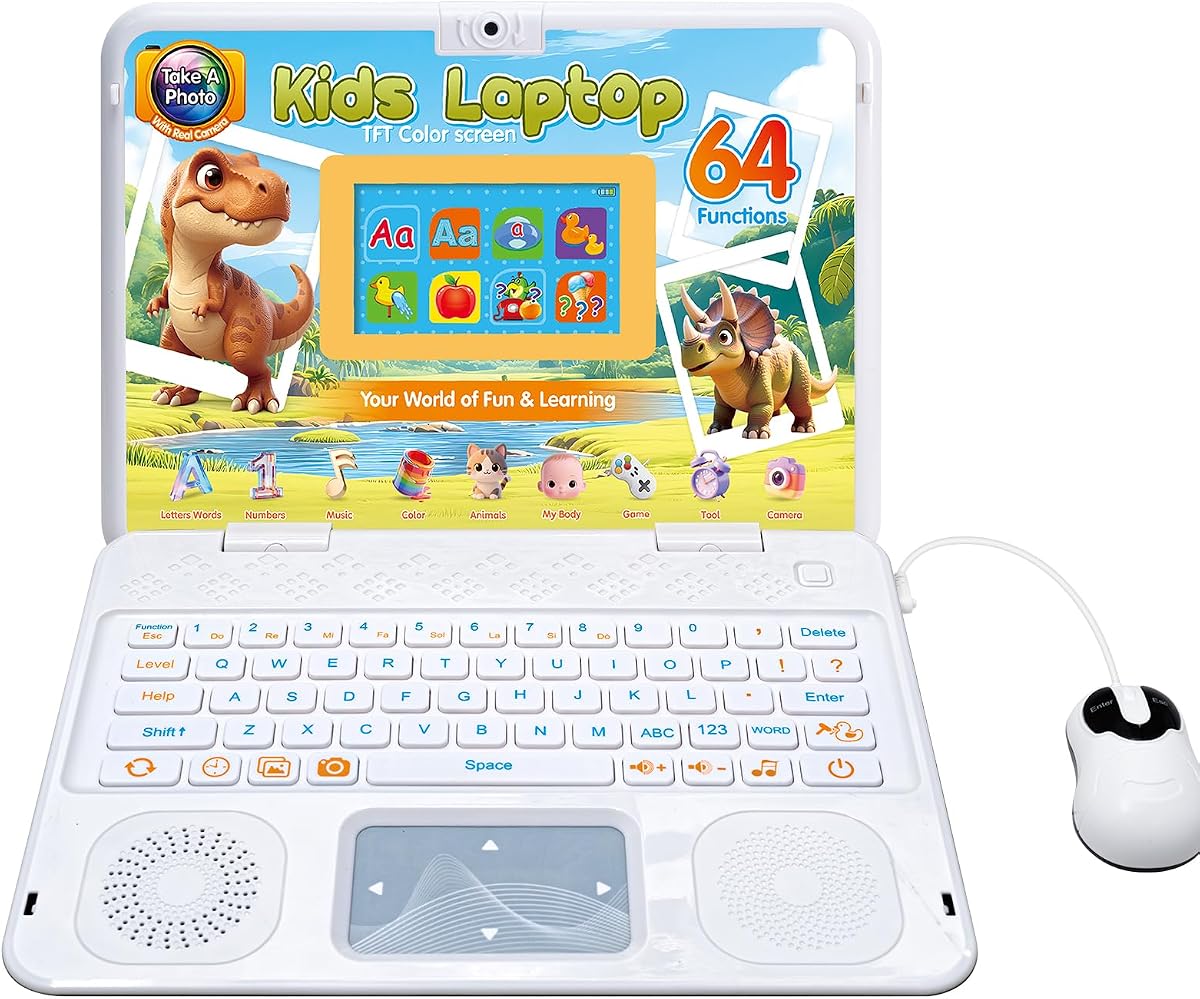
This Kids Laptop with Camera offers a playful introduction to computer concepts for young children. It simulates real functions with a camera and colorful screen. The high rating suggests kids enjoy the mix of learning and entertainment provided.
We may earn a commission when you buy through this link, at no additional cost to you.
The 64 learning modes cover basics like math and spelling which build logic skills needed for coding. The camera feature allows children to take photos fostering creativity. It does not require internet so it works safely offline at home.
As a toy it does not run real programming software but prepares hands for typing. The design mimics a real laptop making the transition to actual devices easier later. It is best for preschoolers starting their tech journey.
Parents seeking a safe first device will find this valuable for early engagement. It teaches patience and sequencing through games. We recommend it as a gift for kids under ten who are not ready for a full laptop.
Kids can use the built-in camera to take photos and learn about digital media basics.
All activities are pre-loaded so children can play safely without internet access.
We may earn a commission when you buy through this link, at no additional cost to you.
The LeapFrog ABC and 123 Laptop is a top pick for very young children exploring tech. It uses a friendly character to teach letters and numbers in an engaging way. The positive feedback highlights its educational value for preschoolers.
We may earn a commission when you buy through this link, at no additional cost to you.
It includes basic coding logic where kids create simple commands to move the character. This introduces the concept of algorithms in a fun manner. The keys are large and easy to press for small fingers.
Being a toy it has limits on complexity but builds foundational skills effectively. Battery life is decent but requires fresh batteries for long sessions. It is not a replacement for real computers but a great starting point.
Families with toddlers will find this device helpful for screen-free logic play. It encourages problem-solving early. We recommend this for ages three to seven to build confidence before using real laptops.
Create simple programs to make the character move which introduces algorithmic thinking.
Pixel the character interacts with kids keeping them interested in learning for longer.
We may earn a commission when you buy through this link, at no additional cost to you.
This Kids Laptop with a color screen provides a visual approach to learning for kids. It features 48 modes that cover math and logic which are essential for coding. Users find it helpful for keeping children occupied with educational content.
We may earn a commission when you buy through this link, at no additional cost to you.
The realistic mouse helps children learn to navigate interfaces similar to real computers. This builds motor skills needed for future typing and mouse use. The games test logic and speed which sharpen problem-solving abilities.
It is strictly a toy device and does not support real software. The screen is small but clear enough for basic learning. Battery usage is moderate and needs replacement for regular play sessions.
For families wanting a safe screen-based activity this works well. It bridges the gap between toys and real tech. We recommend it for young kids who need practice with mouse navigation and logic games.
Use the built-in mouse to move around the screen which builds essential computer skills.
Play games designed to test memory and speed which are vital for coding skills.
We may earn a commission when you buy through this link, at no additional cost to you.
The VTech Genio Bilingual JuniorBook offers a unique bilingual approach to learning for kids. It covers subjects like math and music in both English and Spanish. The high rating reflects its ability to engage children with diverse activities.
We may earn a commission when you buy through this link, at no additional cost to you.
It features a full QWERTY keyboard which helps children learn typing early. The activities are pre-loaded so no internet is required for safe play. It builds foundational computer skills in a fun environment.
As a toy it lacks real connectivity but teaches essential keys. The battery life depends on usage and needs fresh cells for best results. It is ideal for homes where bilingual education is a priority.
Parents seeking a device that supports language learning will appreciate this model. It lays the groundwork for future tech use. We recommend it for young learners needing a fun introduction to computer basics.
Practice typing with a full-sized keyboard that mimics real adult laptops.
Engage in activities available in both English and Spanish for immersive learning.
We may earn a commission when you buy through this link, at no additional cost to you.
Choosing the right device involves balancing age, budget, and technical needs. This guide outlines the key factors to consider.
The operating system determines what software your child can use. Chrome OS is secure and web-based which works well for browser coding. Windows allows for more robust programming tools like Python and Java.
Select an OS that matches your child's current skill level and future learning goals.
A larger screen makes reading code easier and reduces eye strain. Look for at least 13 inches for serious coding work but 11 may suffice for younger kids. Touchscreens add interactivity for drag-and-drop programming.
Prioritize a screen size that is comfortable for your child to read text on.
A capable processor ensures smooth performance when running coding apps. At least 4GB of RAM is recommended to handle multiple browser tabs without lag. This prevents frustration when switching between tools.
Look for devices with at least 4GB RAM to ensure smooth performance.
Kids need devices that can withstand drops and spills. Look for reinforced corners or spill-resistant keyboards. Educational models often come with extra protections.
Choose a durable build to extend the life of the laptop.
Long battery life ensures the device lasts through school days without charging. Aim for at least eight hours of usage for uninterrupted study. This avoids interruptions during coding tasks.
Check battery hours to match your usage requirements.
A comfortable keyboard is essential for typing code correctly. Look for full-sized keys with good travel. Backlit keyboards help for low light study sessions.
Ensure the keyboard supports accurate typing for long sessions.
Good connectivity allows for peripherals like mice or external monitors. USB-C and USB-A ports provide versatility for accessories. Wi-Fi 6 support ensures stable internet for downloads.
Check ports to ensure compatibility with your accessories.
Budget determines whether you get a full laptop or a toy. Full laptops offer real learning potential while toys are for beginners. Set a price range that fits your financial plan.
Balance cost with the educational value of the device.
Keep the laptop in a padded case to protect it from bumps. Avoid placing heavy objects on top of the lid when closed. Handle the hinge gently to prevent damage during opening.
Clean the screen with a soft cloth to avoid scratches. Do not use harsh chemicals. Regular cleaning removes dust which helps ventilation and performance.
Teach your child to close apps when not in use to save battery. Encourage breaks to reduce eye strain during long sessions.
Yes many kids learn coding on Chromebooks using web tools. Scratch and Code.org run smoothly on the platform. It is a great way to start without needing powerful hardware.
Windows offers more traditional software options like Python. It is useful for older kids moving to professional tools. Chromebooks are simpler and secure for beginners.
At least 4GB of RAM is recommended for smooth performance. This allows multiple browser tabs to run together. More RAM helps with heavier applications.
A touchscreen helps with intuitive navigation and learning. It is not essential for all coding but adds versatility. Consider your child's preference for input.
Kids can start with toys around age three to five. Real laptops are suitable for ages ten and up. Start with simple logic games first.
Use a padded sleeve and a sturdy keyboard cover. Teach your child to handle the device carefully. Avoid eating near the laptop to prevent spills.
We explored ten devices ranging from full laptops to educational toys. Each option offers unique benefits for different age groups and needs. The HP Chromebook 14 x360 Plus stands out as a top overall pick for its versatility.
Consider the operating system and screen size when making your decision. Durability and battery life are also critical for daily use by students.
Prices and availability change so verify the current offers before buying. We hope this guide helps you find the perfect device for your child's coding journey.