
Dell Precision 7780
5.0Editor score
NVIDIA RTX ADA 3500 GPU
128GB RAM Configuration
ISV-Certified Workstation
Discover the top 10 laptops for machine learning in 2026. This expert guide compares performance, GPU power, RAM capacity, and battery life for AI workloads.
Machine learning demands powerful hardware capable of handling complex algorithms and large datasets efficiently. Choosing the right laptop involves balancing processing power, graphics capabilities, and memory to ensure smooth training and inference.
We evaluated leading models based on CPU architecture, GPU specifications, thermal management, and portability. Our analysis focuses on devices that support modern AI frameworks and provide reliable performance for professionals and students.
Each pick highlights specific strengths tailored to different budgets and use cases. Note that availability and pricing can fluctuate, so verify current details before making a purchase decision for your workflow.
5.0Editor score

4.9Editor score
5.0Editor score
This side-by-side comparison highlights key specifications across all ten models to help you identify the best fit for your specific machine learning tasks and budget constraints.



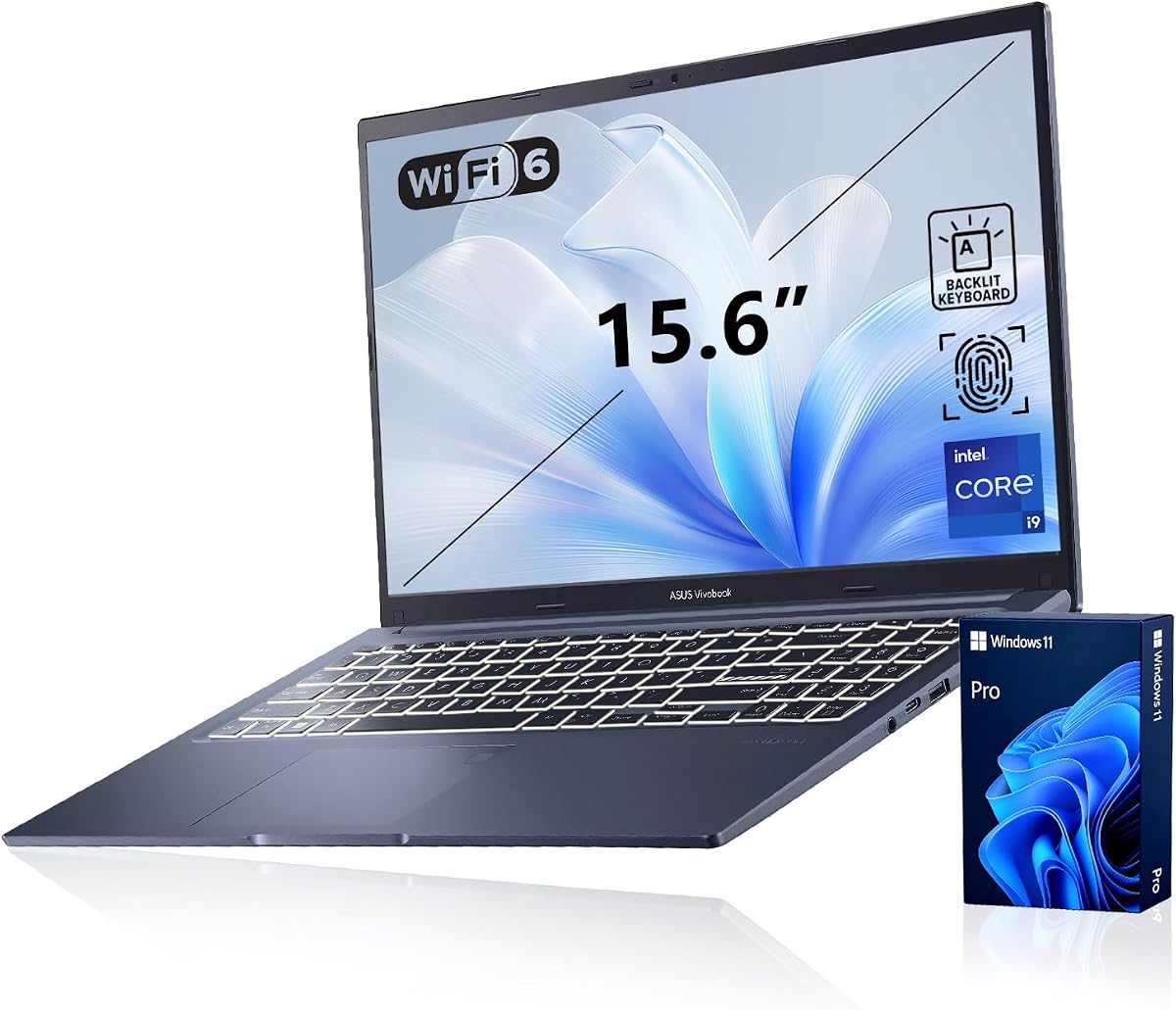
The ASUS Vivobook 15 offers a compelling blend of power and AI optimization for machine learning practitioners. With a 4.9 rating, it stands out for its ability to handle demanding simulations and multitasking efficiently.
We may earn a commission when you buy through this link, at no additional cost to you.
Its Intel Core i9-13900H processor delivers elite-level performance across 14 cores, while 48GB of RAM ensures smooth operation with large models. The inclusion of Next Gen AI Ready features enhances workflow efficiency significantly.
While the system includes a dedicated cooler to manage heat, the original seal is opened for upgrades which may affect warranty coverage. The weight of the device might also be a consideration for frequent travelers.
This laptop is ideal for professionals who need high performance at a competitive price point. Its balance of speed, storage, and AI readiness makes it a strong recommendation for most machine learning needs.
The system is tuned for Next Gen AI tasks, allowing faster processing of complex algorithms without external dependencies.
An included PCO Cooler ensures sustained peak frequencies by preventing thermal throttling during extended training sessions.
We may earn a commission when you buy through this link, at no additional cost to you.
The Dell Precision 7680 delivers flagship workstation capabilities designed for intensive workflows. With a 4.4 rating, it combines professional reliability with high-end computing power suitable for data analysis.
We may earn a commission when you buy through this link, at no additional cost to you.
Powered by the i9-13950HX and 32GB DDR5 RAM, it handles multitasking with ease. The CAMM memory technology improves speed and reduces physical footprint compared to traditional modules.
Upgraded SSD components come with a third-party warranty while the rest remain under manufacturer coverage. This split warranty model requires careful attention to service terms.
This model suits engineers and analysts needing robust performance. Its workstation pedigree ensures compatibility with specialized software and stable long-term operation.
DDR5 CAMM design offers faster data throughput and slimmer profiles for better thermal headroom.
ISV certifications guarantee dependable performance with industry-standard professional applications.
We may earn a commission when you buy through this link, at no additional cost to you.
This premium workstation earns a perfect 5.0 rating for its unmatched specs and professional-grade components. It targets users requiring extreme memory and graphics resources for advanced machine learning projects.
We may earn a commission when you buy through this link, at no additional cost to you.
The 128GB RAM paired with NVIDIA RTX ADA 3500 allows handling of massive datasets and complex models locally. ISV certification ensures smooth operation with industry software.
Cost and size are significant trade-offs for portability. However, performance and stability make it worth the investment for dedicated professional stations.
It is the top recommendation for those prioritizing raw power. Its configuration is tailored for the most demanding engineering and data analysis tasks.
12GB VRAM supports intensive rendering and training tasks efficiently on professional hardware.
128GB RAM eliminates bottlenecks when working with huge datasets or virtual environments.
We may earn a commission when you buy through this link, at no additional cost to you.
Similar to the 2TB variant, this model offers elite performance for professional needs. It maintains the robust chassis and specs that define the Precision series.
We may earn a commission when you buy through this link, at no additional cost to you.
128GB RAM and RTX ADA 3500 ensure smooth handling of large workloads. The workstation design supports complex tasks reliably.
Lack of user ratings makes community validation harder. However, Dell Precision hardware typically offers strong reliability and support networks.
It serves well for enterprise or advanced individual users seeking workstation-grade reliability. It balances performance with durability for professional environments.
Engineered for stability in demanding workflows, this model offers consistent performance under heavy loads.
We may earn a commission when you buy through this link, at no additional cost to you.
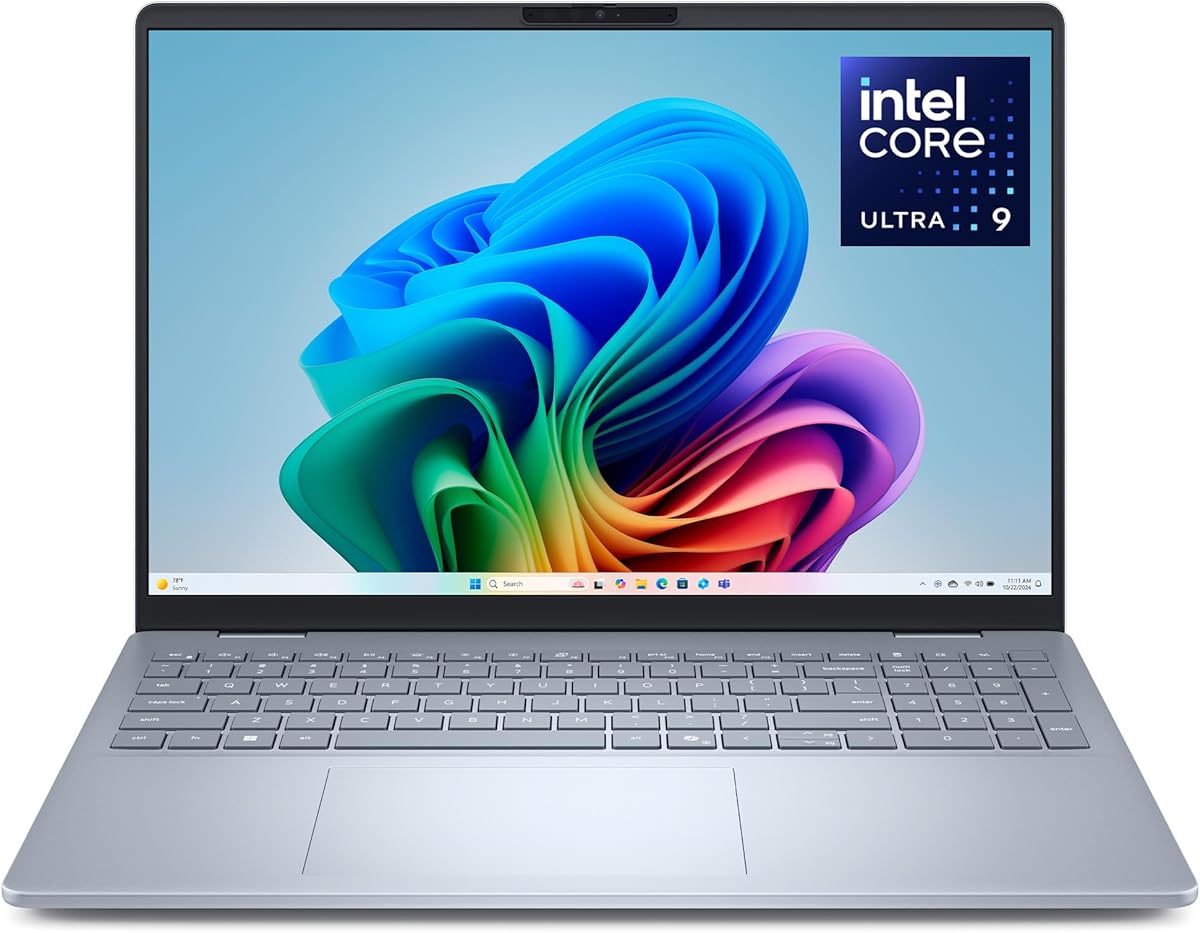
The Dell 16 Plus emphasizes efficiency and modern AI integration over raw GPU power. With a 4.3 rating, it suits tasks requiring portability and general compute strength.
We may earn a commission when you buy through this link, at no additional cost to you.
Built with Intel's latest compute engines, it delivers strong performance and battery life. The QHD+ screen enhances visual clarity for data work.
Integrated graphics limit local training for deep learning. It is better suited for inference, coding, and moderate data tasks.
Ideal for professionals needing a balanced device for collaboration and analysis. It provides modern features and durability for daily use.
New client compute engines enable AI features with improved battery efficiency and thermal performance.
We may earn a commission when you buy through this link, at no additional cost to you.
This customizable Vivobook earns a perfect 5.0 rating for offering premium specs at budget-friendly pricing. It provides a flexible entry point for machine learning enthusiasts.
We may earn a commission when you buy through this link, at no additional cost to you.
The i9-13900H processor paired with up to 48GB RAM supports multitasking and local processing well. Customization allows users to select the right capacity.
Open seal for upgrades means third-party warranty coverage applies. Lack of dedicated GPU is a constraint for heavy graphics tasks.
Best for students or hobbyists needing strong CPU performance. It balances affordability with the capacity to handle diverse workloads.
High-tier CPU options make it an accessible gateway into serious development tasks.
We may earn a commission when you buy through this link, at no additional cost to you.
The MacBook Air 15 offers powerful AI capabilities in a lightweight chassis. With a 4.7 rating, it focuses on efficiency and daily usability over heavy compute.
We may earn a commission when you buy through this link, at no additional cost to you.
M5 chip includes a Neural Engine optimized for on-device AI tasks. Battery life supports full-day usage without frequent charging.
Unified memory architecture limits flexibility for expanding RAM later. Large model training typically requires external servers or cloud resources.
Perfect for developers prioritizing mobility and battery. It handles inference and coding well while integrating seamlessly with other Apple tools.
Neural Accelerators in the GPU enable fast on-device AI processing with minimal power drain.
We may earn a commission when you buy through this link, at no additional cost to you.
This compact variant mirrors the larger model with enhanced portability. It retains the high-efficiency M5 architecture suitable for AI tasks.
We may earn a commission when you buy through this link, at no additional cost to you.
Lightweight design makes it ideal for travel. Unified memory supports standard development workflows but limits heavy local training.
Storage and RAM are non-upgradeable after purchase. Users should plan configurations carefully to match long-term needs.
Recommended for mobile professionals seeking balance. It serves well for inference, coding, and general ML workloads.
Ultra-thin design delivers workstation-class performance in a format easy to carry daily.
We may earn a commission when you buy through this link, at no additional cost to you.
This model emphasizes professional stability with NVIDIA RTX graphics. It serves engineering and data analysis needs with solid workstation credentials.
We may earn a commission when you buy through this link, at no additional cost to you.
32GB RAM and RTX ADA 3500 handle moderate to heavy workloads. ISV certification ensures compatibility with standard tools.
Limited user reviews may make purchasing decisions harder. However, the underlying hardware supports professional-grade durability.
A solid choice for stable local development. It offers consistent performance for complex visualization tasks.
Professional-grade components ensure stable operation under intensive computational loads.
We may earn a commission when you buy through this link, at no additional cost to you.
This Pro variant delivers higher performance with M5 Pro chip capabilities. It enables on-device AI training and advanced workflows.
We may earn a commission when you buy through this link, at no additional cost to you.
24GB memory and 16-core GPU boost local inference power. The XDR display provides superior color accuracy for data visualization.
Unified memory limits expansion later. Costs are high but justified for professional productivity and portability needs.
Best for creators and developers needing power in transit. It balances performance with battery life effectively.
Advanced Neural Accelerators allow for faster AI model training directly on the machine.
We may earn a commission when you buy through this link, at no additional cost to you.
Selecting the right laptop requires balancing processing power memory memory, and cost. We outline key factors to consider for optimizing your workflow.
A powerful multi-core CPU accelerates preprocessing and training pipelines. Look for latest-generation Intel Core i9 or AMD Ryzen 9 models to ensure sustained performance.
Prioritize CPUs with high clock speeds and core counts for handling parallel computing tasks.
RAM determines how large datasets fit in active memory. 32GB is standard for most workflows, while 48GB or 64GB offers headroom for complex models.
Select laptops with DDR5 or CAMM technology for faster data access rates.
GPU power is critical for deep learning. NVIDIA RTX GPUs offer CUDA cores essential for training. Integrated graphics are sufficient only for inference tasks.
Choose discrete GPUs with at least 8GB VRAM for professional stability.
NVMe SSDs reduce load times for libraries and models. 1TB is a safe minimum; 2TB allows more local caching of data.
Ensure the laptop supports easy expansion via additional M.2 slots.
Thermal throttling reduces performance over time. Laptops with advanced cooling systems maintain peak speeds during long training sessions.
Look for reviews that confirm stable temperatures under load.
High-resolution displays aid data visualization and code readability. 1440p panels offer better clarity than 1080p options.
A larger screen size improves multitasking productivity significantly.
Balance power with weight if you travel frequently. Workstations are heavy but powerful, while ultraportables sacrifice GPU performance for battery life.
Choose a device that fits your typical working environment.
Ensure the OS supports your development environment. Linux is preferred for servers, but Windows and macOS offer strong local tools.
Verify ISV certifications for professional application reliability.
Set up your environment with essential libraries like TensorFlow or PyTorch. Use virtual environments to isolate dependencies and ensure reproducible results.
Monitor thermal levels using built-in tools to prevent throttling. Ensure adequate airflow around the device during intensive training tasks.
Regularly update drivers and firmware for security and performance. Back up critical datasets and model checkpoints to external storage.
At least 32GB is recommended for handling moderate datasets and models. Professionals working with large-scale data should consider 48GB or 64GB for smoother multitasking.
Yes for training deep learning models efficiently. Integrated GPUs work for inference and simple tasks, but NVIDIA CUDA cores accelerate complex training significantly.
Gaming laptops offer strong GPUs and processors but often lack ISV certification. They can be cost-effective alternatives to workstations for personal projects.
Linux is preferred for server environments, while macOS and Windows offer user-friendly setups. Ensure compatibility with your preferred development tools.
Some models allow upgrades, while others solder memory directly. Check the product specs to confirm if memory is expandable after purchase.
Thermal management prevents performance drops during long sessions. A laptop with advanced cooling ensures consistent speeds for model training.
Our top picks highlight strong options across price points. The ASUS Vivobook 15 leads for value, while the Dell Precision models offer workstation-grade stability.
Prioritize CPU speed and memory capacity to handle your specific data needs. A dedicated GPU is essential if you plan to train models locally rather than just use inference.
Always check current availability and pricing before buying. Tech specs and prices fluctuate, so ensure you get the latest configuration for your budget.