
Smart Watch Fitness Tracker
4.2Editor score
120 sports modes
24/7 heart rate
IP68 waterproof rating
Finding the right fitness tracker for tennis players requires looking at specific features like heart rate monitoring activity tracking and durability. These devices help athletes stay consistent with their training goals.
We compared ten popular models based on their sport modes health metrics battery life and overall comfort. Each product offers unique strengths for different types of users and budgets.
Every pick shows real data from the manufacturer and user feedback to guide your decision. Prices and availability may change so please check the latest offers before buying.
4.2Editor score

4.2Editor score

4.6Editor score
As an Amazon Associate we earn from qualifying purchases.
The table below provides a side-by-side view of the ten selected fitness trackers for tennis players showing key specs and links to more details.




This fitness tracker offers a wide range of features for users seeking basic health monitoring at an accessible cost. It tracks heart rate blood oxygen and sleep while providing notifications and multiple sport modes.
We may earn a commission when you buy through this link, at no additional cost to you.
The large display ensures easy reading during workouts and the device supports over one hundred twenty exercise modes which covers most court sports. Users benefit from step counting calorie tracking and call alerts directly on the wrist.
While it lacks built-in GPS and the materials feel lighter than premium units the performance is solid for daily tracking. The battery life and comfort make it suitable for all-day wear including sleep monitoring.
This model is ideal for tennis players who want to monitor activity without spending heavily. It delivers core metrics effectively and connects well with smartphones for a comprehensive view of daily health.
The tracker supports more than one hundred twenty exercise modes including tennis so users can log specific workout data accurately.
Continuous heart rate and sleep tracking help players understand recovery and readiness between matches.
We may earn a commission when you buy through this link, at no additional cost to you.
The Inspire 3 focuses on holistic health with daily readiness and stress scores that guide how hard to train. It tracks sleep heart rate and exercise automatically with a slim comfortable profile.
We may earn a commission when you buy through this link, at no additional cost to you.
Players receive motivation through Active Zone Minutes and automatic exercise detection which removes the need to start modes manually. The stress and sleep features support recovery planning for competitive schedules.
It does not include built-in GPS so outdoor court time requires phone pairing for map data. The small screen may limit visibility but the tracker remains unobtrusive during intense play.
This device suits players who value wellness insights alongside activity tracking. Its seamless integration with phone apps and coaching tools makes it a strong companion for consistent training.
A daily score helps you decide whether to push hard or rest based on sleep and heart rate history.
The device detects workouts automatically so you do not miss logging sessions on the court.
We may earn a commission when you buy through this link, at no additional cost to you.
The Charge 6 adds built-in GPS for accurate tracking without a phone. It offers exercise modes stress tracking and readiness scores alongside Google apps for maps and payments.
We may earn a commission when you buy through this link, at no additional cost to you.
Players can see heart rate in real time and sync with gym machines. Google Wallet and turn-by-turn navigation improve convenience during outdoor sessions or travel.
Some advanced coaching features require a Premium subscription which adds ongoing cost. The screen is compact but clear enough for quick stats and alerts during activity.
This tracker is strong for athletes wanting GPS convenience and smart features. It balances health insights with practical tools making it versatile for daily fitness routines.
Built-in GPS means you can leave your phone at home while still recording accurate distance and routes.
Access Maps directions and Google Wallet from the wrist for seamless navigation and payments.
We may earn a commission when you buy through this link, at no additional cost to you.
This screenless tracker focuses on pure activity and health metrics without a display. It uses advanced sensors for 24/7 tracking and supports Premium coaching through Google Health.
We may earn a commission when you buy through this link, at no additional cost to you.
The lightweight micro-adjustable design sits quietly on the wrist so it does not interfere with play. Users can change looks quickly by swapping bands to match style or activity needs.
Since there is no screen you must check the app for detailed metrics and notifications. Battery life lasts up to a week with fast charging providing one day in just five minutes.
It suits players who want minimalism and accuracy without visual clutter. The durable build and long battery make it practical for daily wear and intense training sessions.
Without a screen the device keeps you focused on your game while still logging performance data.
Five minutes of charging provides one day of use so you rarely face power issues during busy weeks.
We may earn a commission when you buy through this link, at no additional cost to you.
WHOOP delivers in-depth performance science with recovery strain and sleep insights. The screenless device tracks metrics continuously and pairs with an app for tailored coaching and journaling.
We may earn a commission when you buy through this link, at no additional cost to you.
Athletes like tennis players can see how daily habits impact long-term health and recovery. The device monitors heart rate every second and offers a Stress Monitor to guide real-time decisions.
Membership is required to access all features and the price is higher than basic trackers. However the detailed analytics and coaching make it valuable for serious competitors seeking optimization.
This tool is ideal for data-driven athletes who want to fine-tune training and rest. Its design and battery life support uninterrupted tracking across multiple days without hassle.
Understand your body readiness each day so you can plan matches and practice sessions effectively.
Use the Journal to see how habits like diet or sleep affect your performance and recovery.
We may earn a commission when you buy through this link, at no additional cost to you.
This tracker blends smart watch style with health tracking in a compact affordable design. It offers multiple sport modes a color AMOLED screen and standard notifications.
We may earn a commission when you buy through this link, at no additional cost to you.
Heart rate sleep and activity data are accessible through the Keep Health app which syncs with the device. The stainless steel frame and skin-friendly strap support comfortable daily wear.
GPS relies on phone connection so outdoor metrics need the phone nearby. The screen and features offer good value but the app experience dictates overall usability.
Players looking for a budget smart watch tracker will find it useful. It covers essential metrics and looks professional on wrist for both workouts and casual days.
The bright touchscreen shows stats and faces vividly even in outdoor conditions.
Track steps distance and calories with multiple sport modes to cover varied training.
We may earn a commission when you buy through this link, at no additional cost to you.
The vívoactive 5 offers a vibrant AMOLED display and up to eleven days battery life. It includes Body Battery energy monitoring sleep coaching and music storage for phone-free listening.
We may earn a commission when you buy through this link, at no additional cost to you.
Players benefit from automatic nap detection and workout benefits that clarify how training affects the body. The watch supports over thirty built-in apps covering many fitness and lifestyle needs.
Music storage and smart features enhance convenience but the 42 mm size may limit reach for some users. The interface is intuitive and the metrics support balanced training.
This smartwatch fits athletes who want style and function. It tracks activity while offering lifestyle tools making it a daily companion beyond tennis court sessions.
Body Battery helps you gauge energy levels throughout the day to optimize rest and activity.
Personalized sleep coaching provides tips to improve rest quality for better next-day performance.
We may earn a commission when you buy through this link, at no additional cost to you.
The Active Max features a 3000-nit AMOLED display for clear visibility in sunlight. It supports 170 workout modes built-in GPS and up to twenty-five days battery life.
We may earn a commission when you buy through this link, at no additional cost to you.
Players can download maps for offline navigation and use Zepp Coach for tailored running or training plans. BioCharge energy monitoring helps manage stress and workouts effectively.
Bluetooth calls and speaker support allow hands-free communication during training. The large screen and battery endurance suit long outdoor sessions without frequent charging.
This watch suits users needing bright displays and endurance. Its range of modes and navigation tools makes it versatile for diverse sports and daily activity tracking.
The ultra-bright screen ensures stats remain visible even in direct sunlight on outdoor courts.
Up to twenty-five days of battery life reduces charging frequency and supports uninterrupted tracking.
We may earn a commission when you buy through this link, at no additional cost to you.
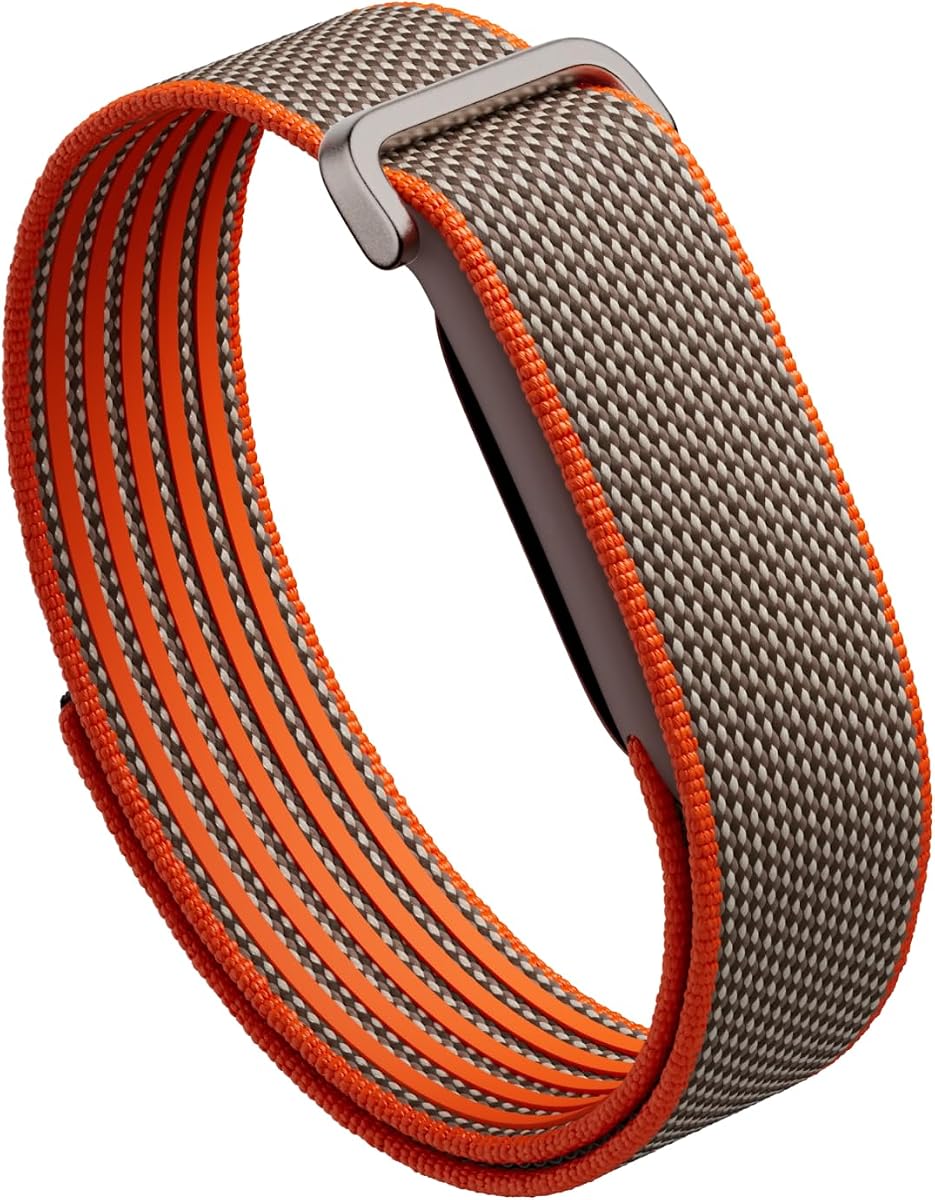
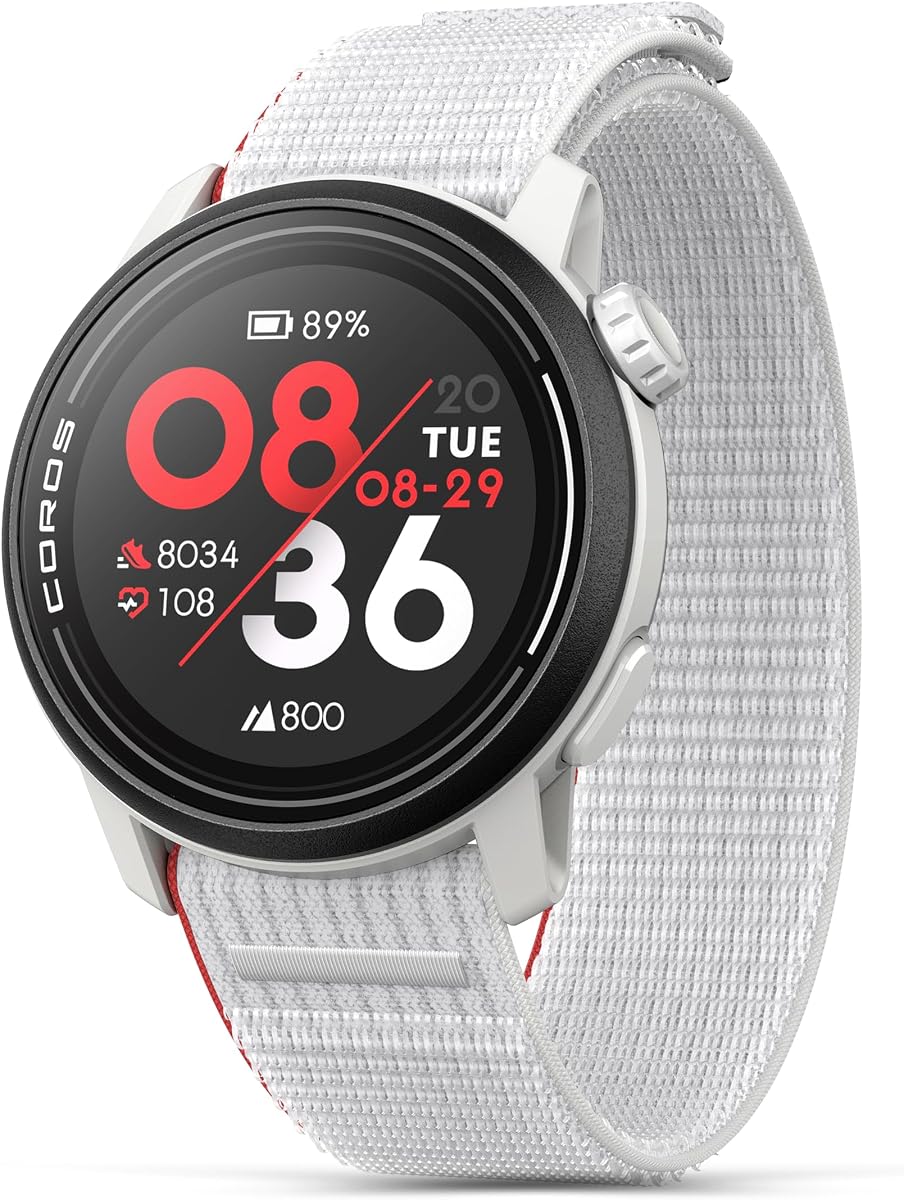
The COROS PACE 3 is designed for comfort with a 30g nylon band profile. It features dual-frequency GPS for accuracy and supports extended GPS tracking and daily battery life.
We may earn a commission when you buy through this link, at no additional cost to you.
Route planning and breadcrumb navigation help keep track during varied terrain. The always-on transflective touchscreen offers clear stats without draining power quickly.
It focuses heavily on running and outdoor sports so smart features are minimal. For players needing precise tracking and minimal wrist load this watch is highly effective.
This model suits athletes who prioritize data accuracy and weight. Its battery and GPS capabilities support long training sessions without interruption.
Advanced GPS ensures accurate tracks even in cities or areas with signal challenges.
Breadcrumb navigation keeps you on path so you focus on effort not direction.
We may earn a commission when you buy through this link, at no additional cost to you.
The Forerunner 165 delivers a morning report with sleep recovery and training outlook. It offers an AMOLED touchscreen daily suggested workouts and incident detection for safety.
We may earn a commission when you buy through this link, at no additional cost to you.
Players can see training effect labels and recovery time to plan rest. Garmin Coach plans and HRV status support structured training progression and race prep.
Smart notifications and Garmin Pay enhance daily utility though the watch remains sports focused. Battery lasts up to nineteen hours in GPS mode and eleven days overall.
This watch fits athletes wanting tailored training guidance and safety. Its balance of smart and sport features makes it a premium option for performance tracking.
Daily suggested workouts adapt to performance to help you progress without overtraining.
Incident detection and Assistance can send your location to contacts if you need help.
We may earn a commission when you buy through this link, at no additional cost to you.
Selecting the right fitness tracker for tennis players involves evaluating metrics that support movement health and recovery.
Ensure the tracker has modes for tennis or court sports to capture relevant data such as steps and heart rate during play. Some devices automatically detect movement while others require manual start.
Look for options with at least twenty sport modes or activity profiles to cover warm-up drills and match tracking.
Continuous heart rate monitoring helps track intensity and recovery during matches. Optical sensors vary in accuracy so check reviews for wrist-based readings under motion.
Choose a tracker with proven heart rate performance to get reliable strain and effort metrics for training.
Battery duration affects how often you must recharge which interrupts data flow. Models offering one to two weeks of use reduce hassle during tournaments or travel.
Prioritize trackers with at least five days of battery life for consistent daily monitoring.
A bright readable display is essential for checking stats during outdoor play. AMOLED or transflective screens offer visibility in sunlight without draining battery quickly.
Select a screen size and contrast that suits your viewing needs and wrist fit.
Notifications music controls and GPS enhance convenience. Decide if you need calls texts or contactless payment depending on your routine.
Balance smart features with battery impact to keep tracking continuous without frequent charges.
Materials and water resistance determine longevity and comfort during sweat. Look for IP68 ratings and skin-friendly straps that do not chafe during long matches.
Ensure the tracker stays secure without adding bulk to your wrist or swing.
The companion app turns raw data into useful insights. Check for compatibility with iOS or Android and features like coaching or recovery analysis.
Choose a system that supports your goals and offers clear visual progress reports.
Some advanced trackers require paid memberships for full features. Evaluate ongoing costs against the value of coaching or insights provided.
Set a budget that includes any subscription fees to avoid surprise expenses later.
Start by pairing the device with its app and wearing it snugly on your wrist for accurate readings. Adjust the strap to balance comfort with sensor contact.
Regularly sync data to the app to review progress. Keep firmware updated and calibrate settings if the tracker supports adjustments.
Clean the tracker after sweaty sessions with water and a soft cloth. Store it in a dry place and check the battery before long training periods.
Yes a fitness tracker helps players monitor heart rate intensity and recovery which supports better training planning. Tracking activity and sleep can reveal patterns that improve endurance and match readiness over time.
Most trackers have water resistant ratings suitable for sweat and rain. Look for IP68 or higher to ensure protection during intense sessions without damage to the device.
Calorie estimates depend on heart rate and user profile settings. While not perfect they provide useful trends for understanding energy expenditure across days and workouts.
Many devices track general activity even without tennis mode. Using heart rate and step counts gives a useful view of effort when dedicated modes are unavailable.
Ideally choose a tracker with at least five days of battery life. Longer endurance reduces charging interruptions and helps you maintain consistent daily data.
Charge the tracker based on battery usage typically every few days to a week. Frequent charging may indicate high power use or battery issues.
The top picks offer varied strengths from budget-friendly options to advanced coaching tools. Each model supports activity and health tracking essential for tennis players.
Consider what features matter most whether is heart rate accuracy battery endurance or smart functions. Align your choice with your training goals and daily routine.
Check current availability and compare features before buying. Prices and promotions may shift so review details to confirm the best value for your needs.